




Pregnancy is a beautiful journey that lasts about 40 weeks. During this time, your body works hard to support your baby’s growth. Pregnancy is a long and daunting process for women; getting the right and enough nutrients not only helps in fetal development but also in keeping the mother healthy and strong, as well.
Apart from that, there should also be an involvement of a good gynecologist, in terms of proper guidance, weekly checkups, and many more. If you are wondering where to get a good gyno doctor in Siliguri, you’re just in the right place. Keep scrolling to know one of the best fertility doctors in Siliguri.
Choosing the right fertility or gyno doctor helps in weekly checkups, knowing the positioning of the baby, to ensure expert monitoring in terms of safety and keeping both the mother and the baby healthy, early detection of complications like diabetes, etc, and getting a personalized guide throughout pregnancy.
When you consult a qualified and experienced doctor, they manage care for everything, like fetal monitoring, safe delivery strategies, from preconception to postpartum, and they guide you in all ways.
Nutrients During Pregnancy
Getting the right and enough nutrients has a larger effect than you think. Nutrients in Pregnancy matter the most in ensuring a variety of different things, like preventing complications like preterm birth, birth defects, and low birth weight, to ensure healthy fetal development, and support the mother’s changing body.
A nutrient-rich diet helps in reducing the risk of chronic health issues for both the mother and the child, as well as promoting bone growth and brain development. Overall, the nutrients provided in a pregnancy diet help with the development of both the mother nd the child.
How does food turn into nutrients?

Centered around the Placenta, it acts as a highly selective “transfer station, for a sophisticated delivery system that provides all the necessary nutrients through food to the fetus. The food travels to your placenta villi, once it has been digested and turned into basic molecules like glucose, amino acids, and vitamins.
Now, with the baby’s separate blood supply, these nutrients cross a thin membrane, without the two bloodstreams ever mixing, and then directly come into the baby’s developing organs to fuel growth, with pumping, postpartum, and many more.
Dry Fruits as a Source of Nutrients in Pregnancy
Dry fruits in general are an effective way to deliver folate, iron, and vitamin E to your body. They provide a concentrated source of vitamins and minerals by concentrating their nutrients during the drying process, like almonds, walnuts, and dates. Even a small handful can significantly boost the supply of energy and growth-building blocks your baby receives throughout the day, because they are very nutrient-rich.
Your body When you consume them, Your body breaks down their healthy fats and fiber, releasing essential nutrients into your bloodstream that the placenta then pumps through the umbilical cord to support the baby’s bone and brain development, when you consume them.
These support fetal development during pregnancy and maternal health by providing a concentrated source of essential vitamins, minerals, and healthy fats. As water is removed during the drying process, these can provide up to 3.5 times more fiber and minerals than fresh fruits.
The Benefits of eating dry fruits.
If you eat dry fruits during pregnancy, it offers several key health benefits for both the mother and the developing baby, such as:
Prevents Anemia
Because Blood volume increases by 50% during pregnancy, it is essential to provide hemoglobin and dry fruits, which are rich in Iron, like raisins, dates, and dried apricots, to help in doing just that.
Eases Digestion
Dry Fruits like figs, prunes, and dates, which are high in fiber, help reduce pregnancy issues like bloating and constipation.
Boosts Energy
To fight fatigue, specially durig the first and third trimester, natural sugars like glucose and fructose help allot by providing a quick, steady energy source.
Supports Fetal Brain Development
For the development of the baby’s vital organs like the brain, eyes, and nervous system, nuts like walnuts provide omega-3 fatty acids (DHA) and folate, essential for doing just that.
Strengthens Bones
For supporting the development of the baby’s skeleton and teeth, while maintaining the mother’s bone density, it is essential to get calcium and magnesium, which can be obtained from fruits like almonds and figs.
Regulates Blood Pressure
Potassium, which can be found in dried apricots and raisins, helps balance sodium levels and manage blood pressure, potentially reducing the risk of preeclampsia.
Reading all of these, you might be confused which dry fruits to eat and include in your diet, therefore to make things easy for you, we’ve created a list of the 7 best dry fruits during Pregnancy.
7 Best Dry Fruits that you can eat during pregnancy
To get the most out of seven “superfoods”, here is a descriptive look at how they specifically support you and your baby
Almonds (Badam)
Almonds are known for providing the best source of Vitamin E, responsible for building the baby’s skin and hair. This also helps your body by producing energy that supports the baby’s bone, muscle, and nerve development, being rich in riboflavin (Vitamin B2).
Walnuts (Akhrot)
They are the richest source of Omega-3 fatty acids (DHA), and are often called “brain food” for their brain-type looks. These are essential for your baby’s healthy eyesight and cognitive development.
Dates (Khajur)
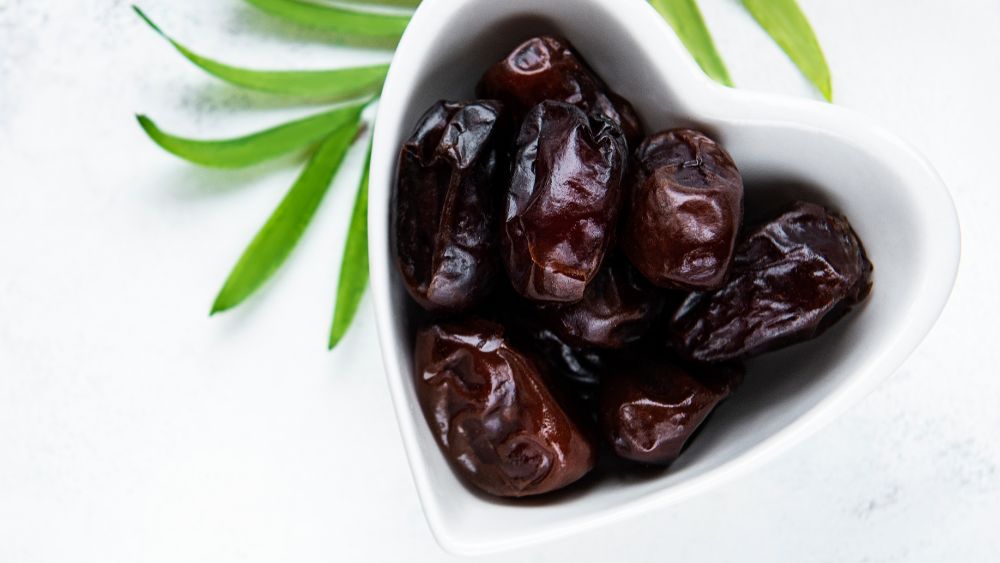
Dates help in fighting fatigue in pregnancy by being a natural energy booster and being packed with fructose, which helps in doing so. They can also help in the most-naturally managing pregnancy-induced constipation, by being incredibly high in fiber.
Dried Apricots (Jardalu)
They contain beta-carotene, which your body converts into Vitamin A to help develop the baby’s immune system and vision. These are also considered a Powerhouse of non-heme iron, which is vital for preventing maternal anaemia.
Figs (Anjeer)
Figs are critical for building the baby’s skeleton and teeth while protecting your own bone density by containing more calcium than most other fruits. It also helps in DNA production by providing a healthy dose of zinc.
Raisins (Kishmish)
These help in maintaining a healthy fluid balance and blood pressure in your body, which is especially important as your blood volume increases, by providing concentrated sources of Potassium and Iron.
Pistachios (Pista)
These help in keeping you full and stable as they are high in protein and fiber. They also help the baby’s body absorb the iron you are eating from other sources by containing copper.
Are Dry Fruits Safe to Eat During Pregnancy?
Yes, dry fruits and nuts are usually safe to eat during pregnancy, when consumed in moderation. These are nutrient-rich superfoods that provide an essential number of nutrients like vitamins, minerals, and healthy fats, essential for fetal growth as well as postnatal growth.
Although dry fruits are a nutritious addition, portion control is important because they are calorie-dense and high in natural sugars. Generally, moderate consumption is recommended, often suggested that a handful each day is enough for consumption to avoid blood sugar spikes and excessive weight gain.
Also, eating too much dried fruit during pregnancy can turn nutritional benefits into health complications, as the drying process removes water; they are much higher in sugar and calories in the same volume of fresh fruit.
Therefore, it is generally suggested that only a handful of dried fruits should be consumed during pregnancy on an everyday basis. According to Dr. Prasenjit Kumar Roy, a leading fertility specialist in Siliguri, emphasizes that a balanced diet with dry fruits can support both maternal health and fetal growth when consumed in the right quantity.
Benefits of dry fruits in pregnancy: Energy boost, Rich in iron, Improved Digestion, and supports the Baby’s Development.
Energy Boost
Dates and Raisins can help in fighting pregnancy fatigue as it contains fructose and are concentrated sources of energy and micronutrients
Rich in Iron
The Iron in dried apricots and cashews is essential for producing hemoglobin, which carries oxygen to your body and prevents maternal anaemia, as your blood volume increases by 50% in pregnancy.
Improves Digestion
Pregnancy hormones often slow down your digestive system. But dry fruits like figs and prunes act as a natural laxative, helping to maintain regularity and reduce bloating by providing high dietary fiber.
Baby’s Development
The folate in hazelnuts prevents neural tube defects, while the Omega-3s in walnuts + are the primary blocks for the baby’s brain and retina.
Also Read Our Related Articles:-
10 Best Foods to Increase Egg Quality Naturally for Better Fertility
What to Eat in the 1st Month of Pregnancy?
Understanding Infections During Pregnancy: Obstetrician’s Guide
When to Consult a Doctor?

For symptoms like severe abdominal pain, persistent vomiting, signs of an allergic reaction (like swelling or rashes), or having a pre-existing condition like gestational diabetes, an immediate consultation with a doctor is important. Although dry fruits are nutrient-dense and safe in moderation, overconsumption can lead to digestive distress and blood sugar spikes.
Dr. Prasanjit Kumar Roy is one such doctor known as the best fertility doctor in town. He leads the Newlife Fertility Centre as its Director and has qualifications including MBBS, MS (O&G), and a fellowship in Reproductive Endocrinology. He is well known for his expertise in reproductive health and is committed to providing personalized care and successful infertility treatments.
Looking for expert pregnancy care in Siliguri?
Consult Dr. Prasenjit Kumar Roy for personalized guidance, regular checkups, and safe pregnancy care. Book your consultation today.
FAQs
Conclusion
As dry fruits and nuts serve as nutrient-dense “superfoods” that support both fetal development and maternal health, consuming these is recommended during pregnancy.
However,consuming dry fruits in large amounts may lead to health concerns.
Therefore, it is recommended that you consume dry fruits in moderation to avoid any discomfort, such as abdominal pain, vomiting, or signs of an allergic reaction (like swelling or rashes).
Consume dry fruits by soaking them in water, washing them, pairing it wiith different foods and vitamins, and ensuring you have proper hydration, i.e., pair dry fruits with water.
To conclude, you can consult a Doctor, a registered dietitian, or an obstetrician.
Medical Disclaimer
Although the nutritional needs and risks during pregnancy are highly individual. But before making any significant changes to your diet or if you have concerns about overconsuming specific foods, you should always consult your obstetrician or a registered dietitian.
Seek immediate medical attention if you experience:
● Severe abdominal cramping or persistent vomiting.
● Sudden spikes in blood sugar, especially if you have gestational diabetes.
● Signs of an allergic reaction (shortness of breath, swelling, or hives).
Never disregard professional medical advice or delay seeking it because of something you have read here.

