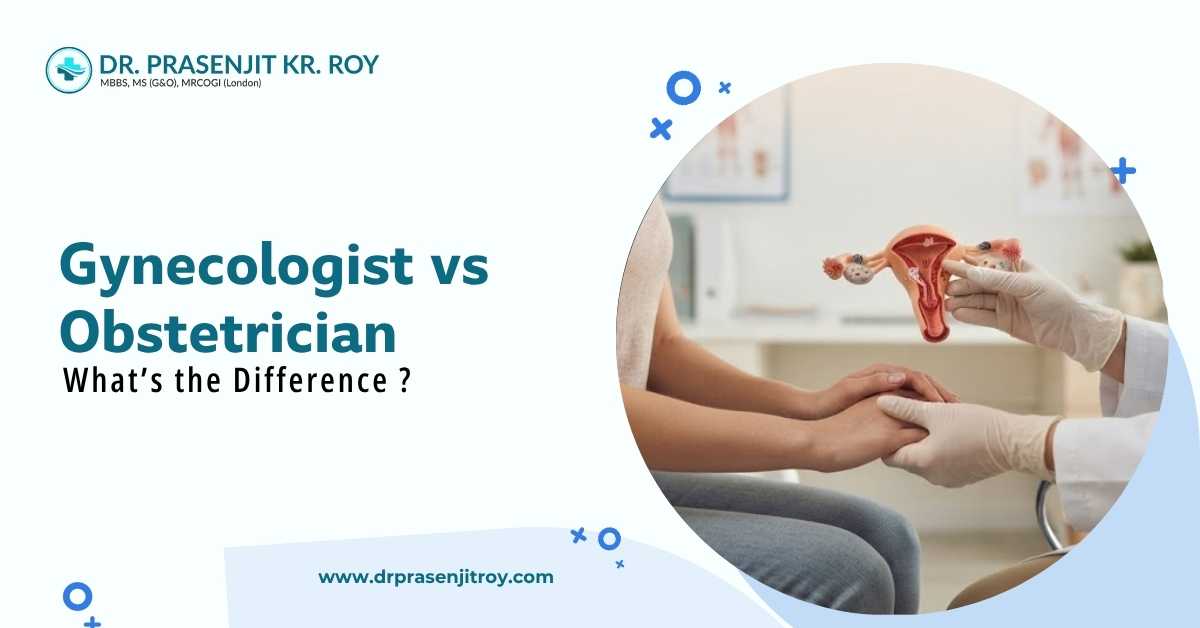

Exploring the difference between a gynecologist and an obstetrician can help in making an informed decision regarding women’s healthcare. Although both deal with the female reproductive system, each medical practitioner has varying areas of specialization.
In case you are looking for gynecologist & obstetrician doctors in Siliguri, learning the difference between the two can help determine the best course of action depending on individual health needs related to pregnancy, childbirth, and female reproductive health.
What is a gynecologist?
A gynecologist is a healthcare professional who specializes in diagnosing, treating, and managing conditions related to the female reproductive system. They provide care related to reproductive, hormonal, and gynecological health at different stages of a woman’s life.
Gynecologists are qualified to address a wide range of health conditions affecting the female reproductive system, including:
● Irregular menstruation, painful periods
● Vaginal infections
● Pelvic pain
● Polycystic ovary syndrome
● Endometriosis
● Monopause
● Hormonal imbalances
● Menstrual cycle irregularities
● Contraception or family planning
● Reproductive health screening
● Several reproductive system disorders
Frequent visits to a gynecologist can ensure the early detection of several health complications concerning the female reproductive system.
What is an obstetrician?
An obstetrician, also referred to as an OB (Obstetrician-gynecologist), manages female reproductive health with a primary focus on pregnancy and childbirth. Obstetricians specialize in providing antenatal care to pregnant women as well as reproductive health care outside of pregnancy.
An obstetrician’s expertise includes:
● Pregnancy care
● Providing antenatal or prenatal are
● Labor and delivery
● High-risk pregnancies
● Postpartum care
● Maternal and fetal health care during pregnancy
Depending on the individual pregnancy needs, an obstetrician can be involved in collaboration with other healthcare providers to ensure fetal and maternal health care throughout pregnancy, labor, and postpartum.
Gynecologist vs Obstetrician: The difference at a glance
Gynecologists and obstetricians focus on different aspects of women’s healthcare, with each specializing in a particular area of reproductive health. At a glance, the difference between a gynecologist and an obstetrician can be summarized in the table below:
|
Gynecologist |
Obstetrician |
|
Focuses on female reproductive health |
Focuses mainly on pregnancy and childbirth |
|
Treats menstrual and reproductive health problems |
Provides care throughout pregnancy |
|
Manages conditions such as PCOS and endometriosis |
Monitors maternal and fetal health |
|
Provides contraception and reproductive health care |
Manages labour and delivery |
|
Treats women who are not necessarily pregnant |
Provides postpartum care |
Although the areas of practice of an obstetrician and a gynecologist differ, the two medical specialists are closely connected.
Is it possible for a doctor to practice both Obstetrics and gynecology?
Many doctors study and practice both fields and are referred to as obstetrician-gynecologists, commonly abbreviated as OB-GYNs. An OB-GYN offers a wide range of services, from general reproductive health to pregnancy and childbirth services. This can be especially convenient for women who want ongoing care with the same care provider during and after pregnancy.
When should you see a Gynecologist?
You may want to see a gynecologist if you have irregularities or concerns with any of the following:
1. Menstruation:
If your monthly periods begin to change (become more irregular, heavy, prolonged, or painful), a gynecologist can determine the root cause of the problem.
2. Pelvic pain:
A gynecologist will be able to determine whether you have an underlying condition that can be remedied.
3. PCOS or hormonal concerns:
If you have PCOS or other hormonal difficulties, a gynecologist can assist and counsel you regarding your condition.
4. In-vitro or family planning:
If you’re going to conceive and need advice and care from medical professionals. A gynecologist can assist you in choosing the best method for your circumstances.
5. Menopause or menopause symptoms:
If you are beginning to experience menopause or menopausal difficulties, a gynecologist can help you navigate through this transitional period.
When should you see an obstetrician?
If you are pregnant or seeking to become pregnant,an obstetrician can provide you with the necessary care throughout your journey.
You can go to an obstetrician for any of the following reasons:
● Pregnancy confirmation and examination
● Prenatal consultations
● Monitoring of fetal development
● Pregnancy-related complications
● Management of high-risk pregnancies
● Labour and delivery
● Postpartum care
If you have a regular gynecologist who also happens to practice obstetrics, you can likely receive both forms of care from the same physician.
Can a gynecologist treat pregnancy-related problems?
It depends on the particular doctor. If the doctor is an obstetrician-gynecologist, that is, they studied and are qualified in both fields, then they should be able to treat both gynecological and obstetrical issues.
However, keep in mind that gynecologist and obstetrician are two separate terms that refer to two different, although similar, specialties. When it comes to choosing between an obstetrician and a gynecologist, be certain that the doctor you choose offers the exact services you are looking for.
How to choose the right specialist?
If you have concerns about your menstrual cycle or reproductive system, a gynecologist would be a good option. If you are worried about conception or pregnancy, an obstetrician would be a better option.
If you want one doctor who can offer a full spectrum of services, including pregnancy care, a gynaecologist-obstetrician would be the best option available.
When it comes to family planning, however, you can come to either a gynaecologist, an obstetrician, or a gynaecologist-obstetrician, depending on your particular needs.
If you do happen to experience excruciating pain and substantial discomfort, it's always a good idea to visit a doctor instead of trying to deal with it on your own.
Final thought
Being able to distinguish between the two terms allows you to exercise your right to a better healthcare experience. Although gynecologists and obstetricians both play a vital role in ensuring women’s health, their fields of expertise are slightly different.
If you’re looking for gynecologist & obstetrician doctors in Siliguri, consulting the right healthcare expert, Dr Prasenjit kr Roy, can help you with a variety of issues, from irregular periods to childbirth and beyond.
FAQS:
1. Are gynecologists and obstetricians the same type of doctor?
A gynecologist specializes in female reproductive system health, while an obstetrician offers reproductive health care services before, during, and after pregnancy.
2. Can one doctor be both a gynecologist and an obstetrician?
Yes, a doctor can be both a gynecologist and an obstetrician. An obstetrician-Gynecologist is trained in both obstetrics and gynecology and is qualified to offer pregnancy care and female reproductive health care services. The combined specialty is often abbreviated as OB-GYN.
3. Should you see a gynecologist for irregular periods?
Yes, you should see a gynecologist for irregular menstruation. A gynecologist can offer treatment in case you are experiencing irregular periods, painful periods, ovarian cysts, abnormal vaginal discharge, and other female reproductive health problems.
4. Which doctors should you consult during pregnancy?
An obstetrician or a gynecologist, also called an OB-GYN, can provide antenatal care services. In case of a high-risk pregnancy, an obstetrician can collaborate with other healthcare professionals to offer maternal and fetal health care support.
5. Can a gynaecologist help with pregnancy planning?
Yes, a gynecologist can help with pregnancy planning, also called family planning, also called family planning. An obstetrician-gynaecologist can offer reproductive health services, including preconception counseling.