
Perimenopause can cause noticeable changes in a woman’s menstrual cycle, sleep pattern, mood, and other aspects of her well-being. Women who are experiencing such changes may consult a Siliguri best gyno doctor to understand if it may be due to perimenopause or another condition. Early recognition and discussion with a gynaecologist can help women obtain the necessary guidance in managing their condition.
Understanding perimenopause:
Perimenopause denotes the menopause transition - a period when a woman's body prepares itself for menopause. During this time, women may begin to notice a variety of symptoms that may present differently from one person to another.
According to the NHS, changes in periods are generally one of the first signs. Women may notice periods becoming more frequent or less frequent, lighter or heavier.
● Changes in menstrual pattern:
A change in your menstrual pattern can often be one of the first signs that a woman may notice. You may find that your periods are either shorter or further apart than usual, or that the amount of bleeding is lighter or heavier than normal periods.
Irregular periods can be caused by many factors, including pregnancy, stress, and biological changes, which should always be discussed with a doctor rather than self-assumption.
● Hot flashes and night sweats:
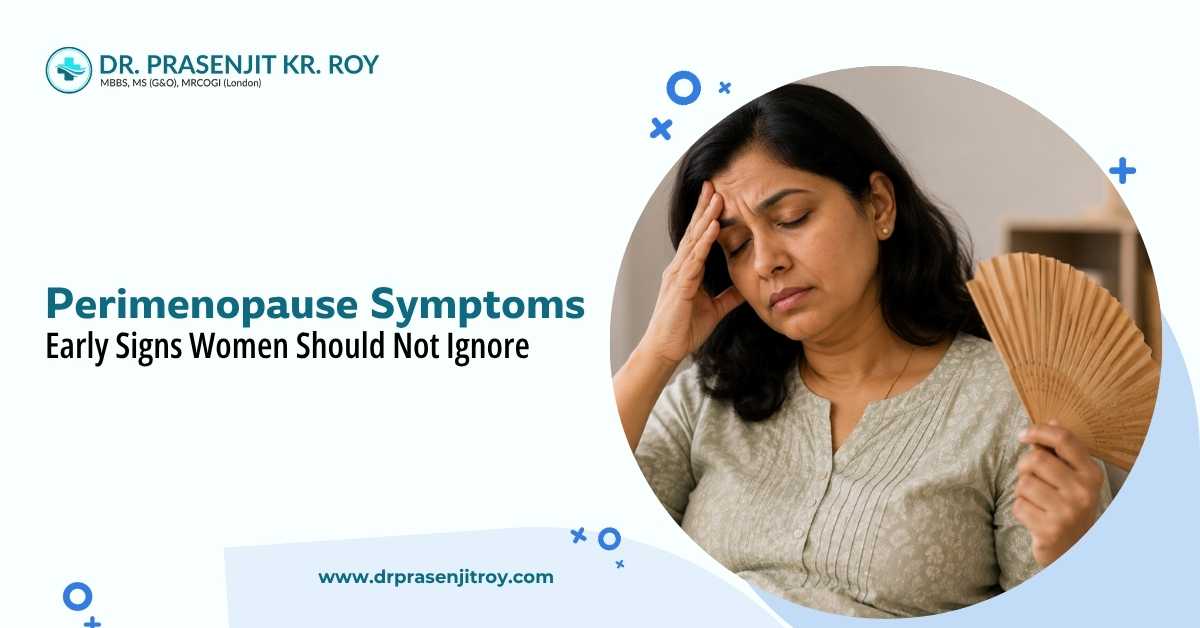
Hot flashes can cause a sudden feeling of warmth, mainly on the face, neck, and chest. Some women also report sweating, coldness, dizziness, anxiety, or a racing heart.
Night sweats can be triggered when hot flashes occur during the night. Like hot flashes, night sweats may prevent a woman from sleeping soundly.
● Sleep disturbance:
Women may notice that sleeping or staying asleep is becoming increasingly difficult. Night sweats may contribute to this problem, but perimenopause can bring other difficulties, such as hormonal shifts that interfere with quality of sleep.
If such problems continue for a long time, or start to affect your work, relationships, and everyday activities, a visit to agynaecologist in Siliguri can help you understand what may be happening and how such disruptions may be managed.
● Mood Changes and Emotional Symptoms:
Women may experience a range of emotional difficulties during perimenopause. In addition to general feelings of sadness, anxiety, and sensitivity, some women also find that they have trouble concentrating, are unable to remember things easily, or have what is sometimes called brain fog.
The NHS lists mood changes, memory problems, and difficulty concentrating as possible symptoms of perimenopause and menopause. Similarly, any significant changes that interfere with day-to-day life should always be discussed with a qualified doctor to rule out other causes.
● Vaginal dryness and discomfort:
Changes in a woman's hormones can lead to vaginal dryness, irritation, or discomfort, as well as pain during sexual intercourse. While such symptoms can be uncomfortable, women do not have to simply accept them; a gynaecologist can recommend the most suitable options for managing their concerns based on their particular symptoms and case history.
● Changes in sexual desire:
Some women find that their sexual desire is reduced during the menopausal transition. This may occur alongside vaginal dryness, sleep problems, emotional difficulties, and other symptoms that may collectively impact well-being.
As with many other perimenopause symptoms, several factors can contribute to such a change. Discussing the specific concerns with a qualified gynaecologist can help determine the most suitable course of management.
● Headaches and concentration problems:
Headaches or migraines that you may have never experienced before can become more frequent or severe around perimenopause. You might also find difficulties memorising or remembering things.
However, new severe headaches should always be discussed with a doctor, as a way of ruling out various other serious causes.
● Weight changes and body changes:
Many women may find that they are gaining weight or have changes in their body shape or size. The NHS notes that weight gain can occur during perimenopause and menopause, usually around the stomach and upper body.
Staying physically active, eating a healthy diet, and ensuring that you are getting regular, good-quality sleep can all help support your wellbeing and assist in developing a diet and lifestyle plan that is suited to your age, symptoms and overall health.
● Urinary and vaginal symptoms:
You may find that you are experiencing more frequent UTIs and urinary problems, such as a burning sensation when passing urine and an increased need to pass urine. Vaginal dryness and irritation may also be an issue, alongside related discomfort and pain during sexual intercourse.
There are a variety of reasons why women may experience these symptoms, including other health conditions. A proper examination by a qualified doctor can help determine the underlying cause.
● Heavy or unusual bleeding should not be ignored:
While changes in periods are generally common throughout perimenopause, unusual heavy bleeding should always be brought to a doctor’s attention. The NHS advises women to see a doctor if their pattern of bleeding has changed and they are now bleeding more than usual. It is also important to seek medical advice if a woman is bleeding vaginally after menopause.
Keeping a record of your periods and how they have changed can be helpful to your doctor in determining the cause.
When to consult a gynaecologist?
You may want to consult a gynaecologist if you are noticing ongoing changes in your menstrual cycle or other symptoms such as hot flashes, night sweats, sleep problems, emotional difficulties, or discomfort during sexual intercourse. Women who are noticing such symptoms before the age of 45 are considered to be experiencing early menopause.
A visit to a qualified doctor can help differentiate between perimenopause and other possible causes of similar symptoms. Depending on your symptoms and age, your doctor can discuss the most suitable course of management.
Managing perimenopause symptoms:
Depending on the symptoms you are experiencing, there are a number of ways in which you can positively impact your wellbeing. Staying physically active, getting enough rest, and eating a healthy diet can all have positive effects. For hot flashes and night sweats, it may help to keep your bedroom cool and wear loose clothing. The NHS recommends exercising regularly and avoiding triggers such as spicy food, caffeine, smoking, and alcohol.
In addition, medical management may be considered in cases where symptoms severely impact wellbeing. It is important to discuss such options with a qualified healthcare professional will depend on your particular symptoms and case history.
Why does early medical guidance matter?
Perimenopause may be a natural part of aging, but that does not mean that every change should simply be accepted as part of the process. The various symptoms that women may experience can interfere with day-to-day life.
Understanding what these symptoms are, as well as what options are available for managing them, can help women continue living their best lives while also ruling out other possible conditions.
Final Thoughts
Perimenopause can present a variety of physical and emotional symptoms that can interfere with day-to-day life. Recognising and addressing these symptoms can help women take the necessary actions to manage them. If you are looking for a Siliguri best gyno doctor to discuss perimenopause symptoms, you can consult Dr Prasenjit Kr Roy.
FAQS:
1. What is the first sign of perimenopause?
Changes in the regularity, duration, or flow of periods are often among the earliest signs of perimenopause.
2. Can perimenopause cause hot flashes?
Yes. Hormonal fluctuations during perimenopause can cause hot flashes and night sweats.
3. Can perimenopause affect sleep?
Yes, some women may experience difficulty falling asleep, frequent waking, or disrupted sleep.
4. When should you see a gynaecologist for perimenopause symptoms?
Consult a gynaecologist if symptoms are persistent, severe, or affecting daily life, or if you experience unusual or heavy bleeding.
5. Can perimenopause cause mood changes?
Yes. Some women experience irritability, mood swings, anxiety, low mood, or difficulty concentrating during this transition.