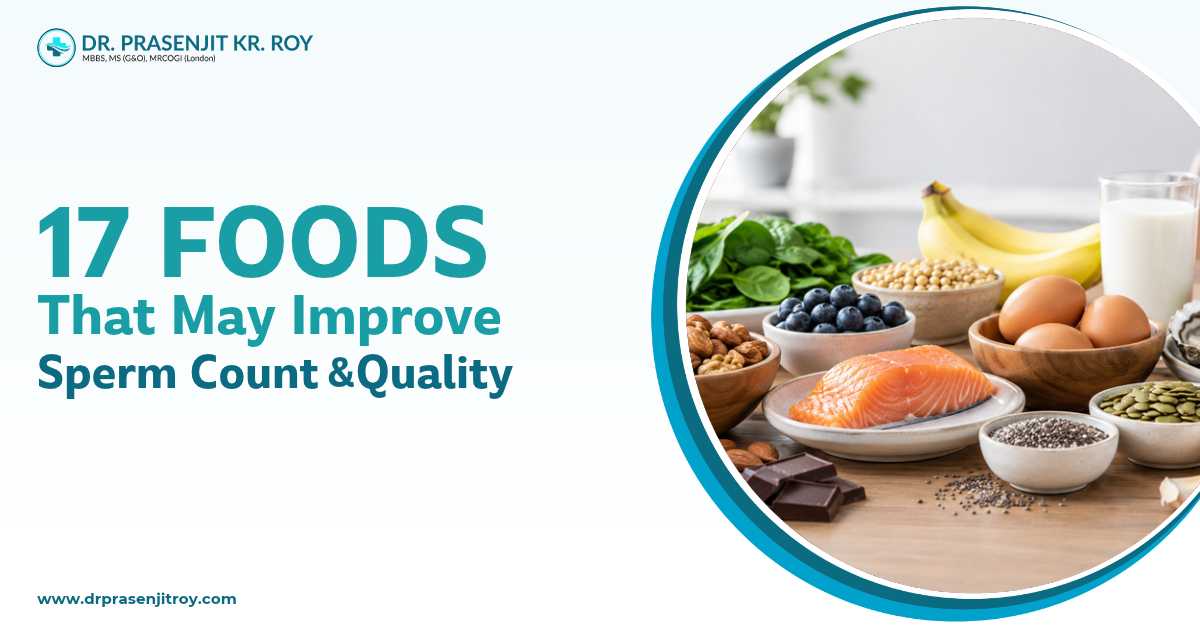



Sperm production combines a series of biological processes that depend on adequate nutrition, hormonal activity, and overall health. Certain dietary deficiencies may be relevant when analysis results require further evaluation, for which a doctor may also ask about a man’s dietary habits.
A fertility doctor in Siliguri may consider these aspects while assessing sperm count, motility, and morphology along with other clinical findings.
Every day we eat foods that contain various nutrients such as Zinc, selenium, folate, antioxidants, and omega-3 fatty acids.
Each nutrient can play an individual role within your cells and reproductive system. Knowing what foods contain these nutrients may can help eductad choice on what you should eat throughout the day.
Which 17 Foods Can Help Improve Sperm Count and Quality?
1. Walnuts
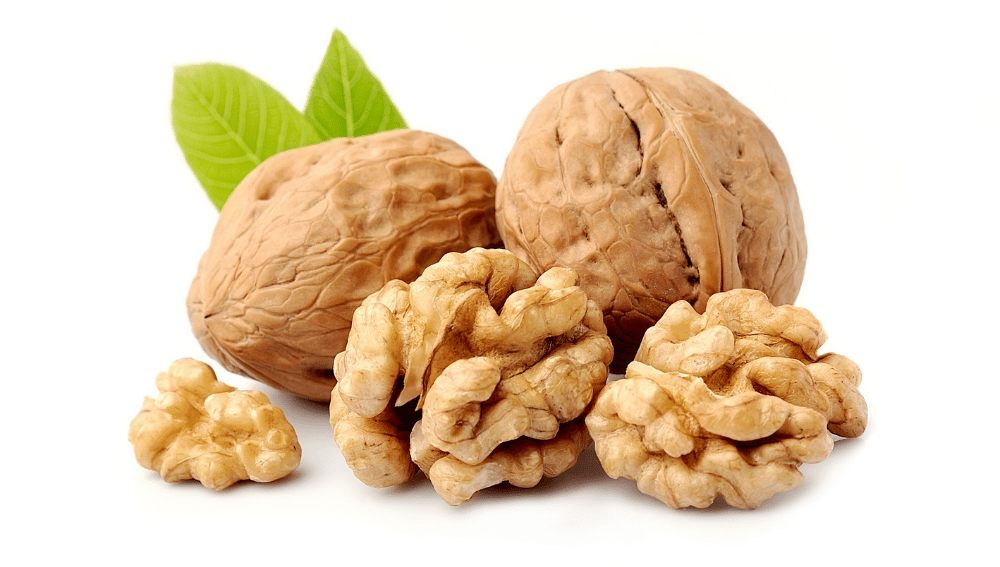
Walnut provide vitamins that omega 3s, vitamins E and many neutral nutrients. These can help with healthy cellular functions. (No Conversational Tone) Walnuts can be incorporated into breakfast cereals, yogurts, or homemade snacks.They are a great source of nutrients and are a good nut to incorporate into your diet.
2. Almonds
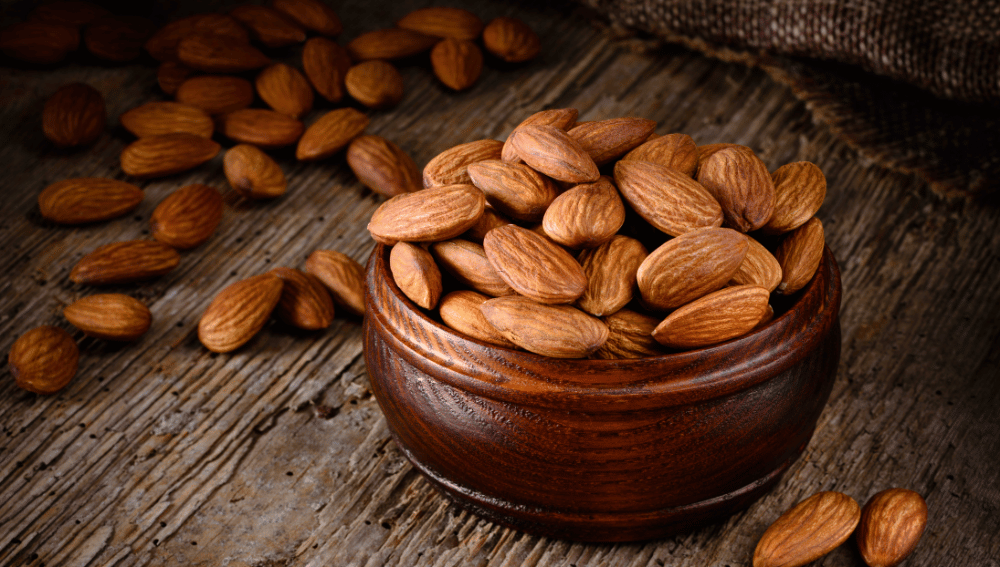
Almonds are a good source of vitamin E, magnesium, and plant-based protein. Vitamin E is an antioxidant that helpprotect cells. As sperm cells are prone to oxidation, antioxidants can be helpful in this scenario. You can just grab a quick handful wherever you’re on the go, or toss a few onto your breakfast to switch things up.
3. Pumpkin seeds
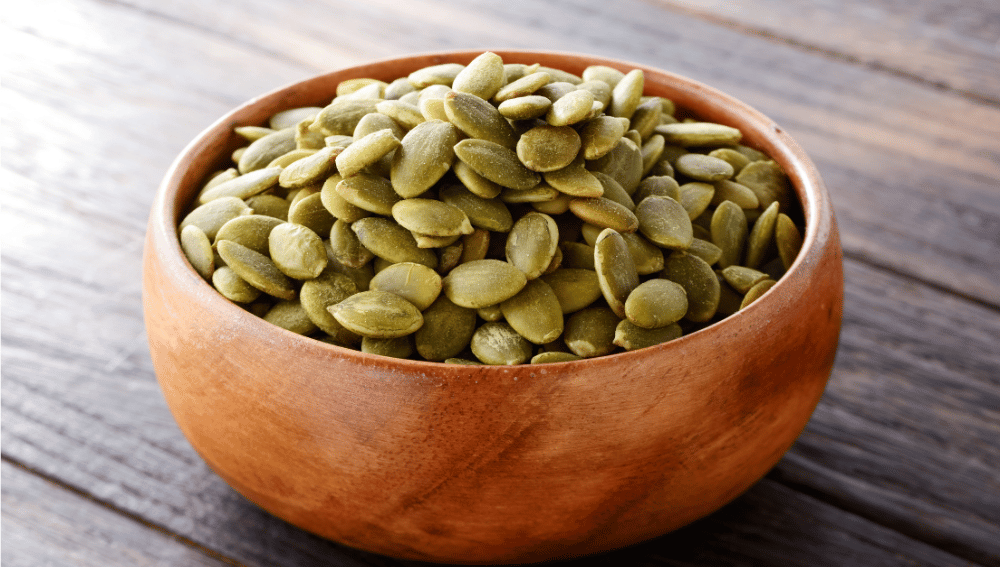
Pumpkin seeds contain Zinc, magnesium, and other minerals. Zinc plays a role in many processes within the body, including healthy reproduction and hormones. These can be sprinkled over salads, stirred into your oatmeal, or just eaten straight up as a simple snack.
4. Spinach
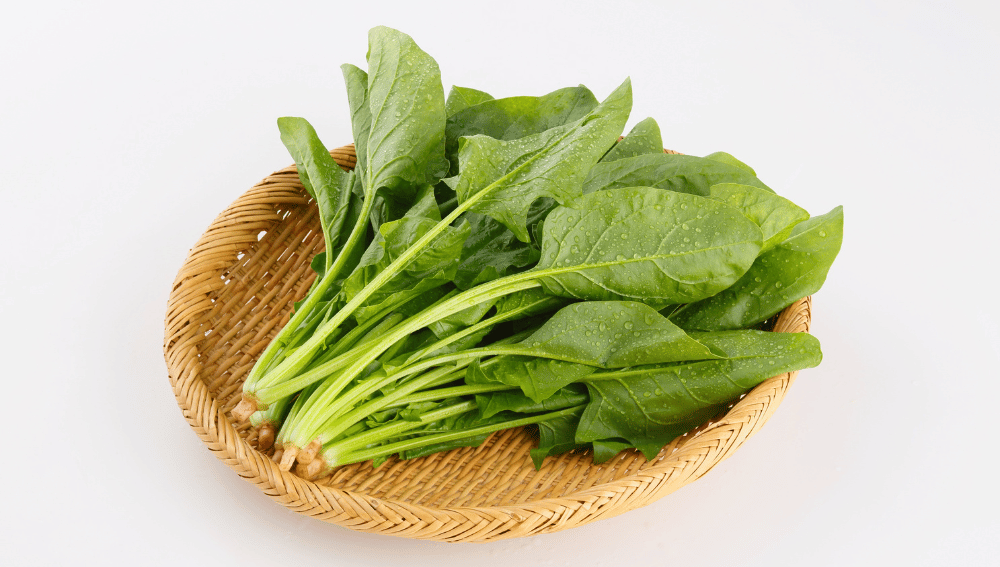
Spinach contains folate, vitamin C, iron, and otherplant-based nutrients. Folate helps DNA synthesis and cell division, while vitamin C provides antioxidants. These nutrients can play a healthy role in cellular functions. This can be cooked as a vegetable, added to dals, or blended.
5. Tomatoes
Tomatoes contain lycopene, a natural carotenoid. They can provide vitamin C and other plant-based nutrients. Lycopene has been looked at in research relating to male reproduction, but there is insufficient evidence to say it is a treatment for low sperm count.Adding fresh tomatoes to your salads and veggies can make your meal nutritious and tasty.
6. Citrus fruits
Citrus fruits such as oranges, lemons, sweet lime, and grapefruit all contain vitamin C. This can help protect cells from oxidation and play a role in healthy tissue function. They also provide water and other plant-based nutrients. They can be eaten as whole fruits.
7. Pomegranates
Pomegranates contain polyphenols and antioxidants. These plant-based nutrients have been looked at to see if they can help protect cells. They can be included in a varied diet and can help to provide fibre in your regular diet.
8. Blueberries
Blueberries are rich in Vitamin C, fibre, and anthocyanins. These antioxidants can play a role in sperm health, as oxidation can affect sperm cells. These can be consumed fresh or added to your yogurts, porridges, or fruit bowls. Other seasonal berries can provide a variety of plant-based nutrients.
9. Avocados
Avocados contain vitamin E, folate, potassium, and monounsaturated fats. Folate plays a role in DNA creation, while vitamin E provides antioxidants. These nutrients all play a role in healthy cellular functions. These can be added to your sandwiches, salads, or homemade spreads.
10. Fatty fish
Fish such as salmon, sardine, and mackerel provideomega-3s, including EPA and DHA. These are part of cell membranes and can play a role in many processes.
11. Eggs
Eggs are a good source of protein, vitamin B12, selenium, and other nutrients. Protein is needed for tissue functions. Selenium provides antioxidants.
12. Oysters
Oysters are a rich dietary source of zinc, a mineral involved in morna hormone function, cell division,s and reproductive processes. Adequate zinc intake is important for male reproductive health.
However, consuming additional zinc does not necessarily increase sperm production in men who already meet their nutritional requirements. Oysters may not be suitable for everyone and should be thoroughly cooked to reduce the risk of foodborne illness.
13. Lentils
Lentils are common ingredients in Indian meals. They can provide folicacid, which is needed for DNA creation and healthy cell development. There are many types you can add to your meals, such as masoor dal. Moong dal and whole lentils. They are also a good source of plant-based protein.
14. Chickpeas
Chickpeas provide folic acid, zinc, protein, and fibre. These nutrients help many healthy functions within the body. They can be added to your meals as Chana curry, added to salads, or made into homemade hummus. Adding them to your meals alongside other pulses and vegetables can help provide variety.
Other Lifestyle Factors That May Affect Male Fertility
Other lifestyle factors may be discussed:
- Smoking: Smoking has been linked to changes in some semen parameters.
- Alcohol: Increased levels may be linked to poor semen quality
- Weight: Obesity may be linked tochanges in hormones and semen parameters.
- Exercise: Regular exercise can be a healthy lifestyle factor, especially for those with a sedentary lifestyle.
- Anabolic steroids: These can cause sperm suppression.
- Existing medical conditions: Hormonal issues, infections, and certain reproductive issues may need medical investigations.
These will not affect everyone, but it is important to consult a doctor if you have any concerns.
Final thoughts
The 17 foods discussed above can provide you with nutrients that participate in normal cellular and reproductive functions.
Well, no individual food can be considered a proven treatment for low sperm count or infertility. Dietary habits should be viewed alongside lifestyle factors, medical history, and appropriate investigations.
A fertility doctor in Siliguri can review semen analysis reports, discuss possible factors affecting sperm count and quality, and assess whether further investigations are necessary.During the consultation, men can also discuss their usual eating habits, nutritional requirements, and the appropriate use of supplements. Any dietary changes can then be considered in the context of their medical history and individual health needs.
FAQs
Why is food often associated with male fertility?
Walnuts, fatty fish, eggs, spinach, citrus fruits, and pumpkin seeds are nutrients that play a role in healthy cellular and reproductive functions. However, this doesn't mean they will improve sperm count when eaten as part of a balanced diet.
Can walnuts improve sperm quality?
Walnuts contain 3s and vitamin E. These nutrients have been looked at when it comes to healthy cell functions and semen parameters. However, they cannot be seen as a treatment for abnormal sperm quality.
What vitamins are important for fertility?
Vitamin C, vitamin E, vitamin B12, folate, and vitamin A all play a role in various cellular and physiological functions. Whether you need to take extra supplements depends on your nutrient status and medical assessment.
Can changing my diet help improve low sperm counts?
Not necessarily. There may be many reasons for low sperm counts, such as hormonal conditions, genetic factors, infections, and abnormalities within the reproductive tract; changing your diet may not help treat these.
When should you have a semen analysis?
You may be recommended to have a semen analysis as part of an infertility assessment. It may be suggested if your doctor suspects there is an issue causing problems with your sperm prodcution.
Generally, couples who haven’t conceived after 12 months of regular unprotected sex will be advised to have an infertility assessment sooner if the female partner is over 35 or if there are known risk factors.