




Growing a life inside is a precious feeling that offers unique joy and anticipation about motherhood, especially during the first few months. This is one of the most crucial phases, requiring immense attention to health and nutrition, as the baby's fundamental development is shaped by what the mother consumes. During the first 12 weeks of pregnancy, a baby’s neural tube, organs, and overall development are established, making it a critical time of pregnancy. In the first month of pregnancy, eat foods rich in folic acid, iron, calcium, protein, and vitamins. Include leafy greens, fruits, dairy, nuts, and whole grains while avoiding raw foods, high-mercury fish, and excess caffeine.
You can consult an obstetrician in Siliguri for complete pregnancy care, including prenatal guidance, nutrition planning, and regular monitoring. A balanced diet rich in essential nutrients like folic acid prevents neural tube defects, maintains a healthy weight, and sets the stage for this exciting phase of development and transformation of your little one. In this blog, we aim to guide you on the essential nutrition required during the first few months of pregnancy, based on professional guidance.
Why Nutrition Is Important in the First Month
The first three months of pregnancy, also known as the first trimester, are the most crucial phase for fetal development. During this phase, the embryo undergoes rapid cell division and organ formation, particularly in the neural tube, which develops into the baby’s brain and spinal cord.
Consuming nutrient-rich foods supports these formations of vital organs and overall early fetal development. A balanced nutrition rich in essential vitamins, minerals, and proteins, rather than increasing portions, is fundamental during these weeks.
Key benefits of a healthy diet during the first trimester of pregnancy
- Provides vital nutrients like folate, iron, calcium, and vitamins required for the development of the fetus’s organs, bones, and tissues, and preserves maternal bones
- Sufficient folic acid intake, 600 mcg /day, is essential for preventing neural development and reducing the risk in the baby’s brain and spinal cord
- Essential nutrients like protein, vitamin D, and B support organ formation, immune function, and metabolic processes in both the mother and the baby
- A balanced diet helps maintain stable blood sugar levels, lowering the risk of gestational diabetes
- Proper nutrition enhances emotional well–being, stabilises mood, reduces the risk of mood swings, anxiety, and depression, which are common concerns during pregnancy
- Establishes healthy eating habits, ensuring the mother has the energy and nutrients required throughout pregnancy and postpartum recovery
Essential Nutrients in the First Month of Pregnancy
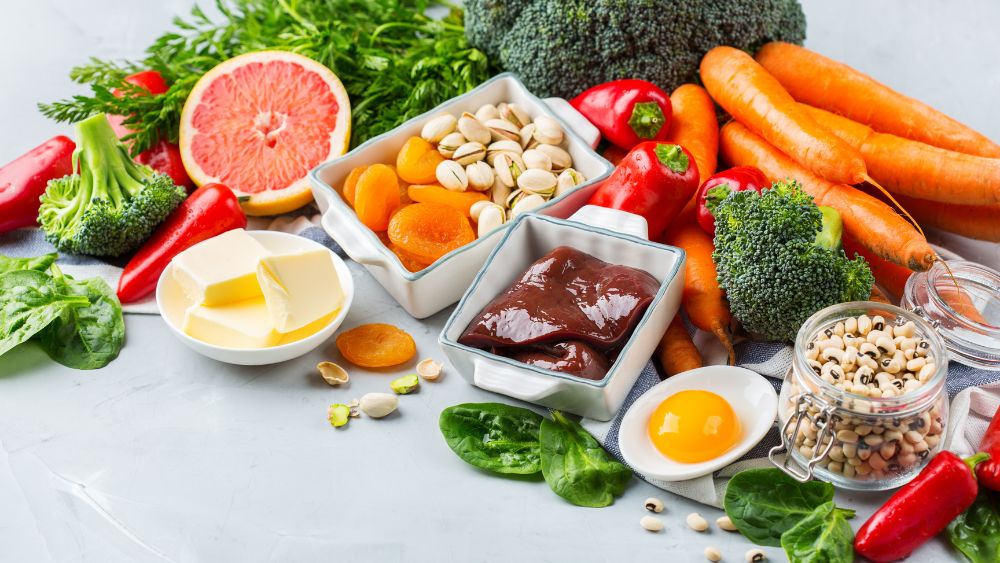
According to obstetricians, here are the nutrients, daily requirements, and food sources mentioned for the first trimester:
| Nutrient | Daily Requirement |
Food Sources
|
Why It Matters |
|
Folic Acid
|
600 mcg/day | Leafy green vegetables (spinach, kale), egg yolk, fortified cereals, legumes, asparagus, broccoli | Prevents neural tube defects; supports DNA synthesis and cell division |
| Iron | 27 mg/day | Lean red meat, poultry, fish, beans, lentils, fortified cereals, spinach, and seafood (sardines, salmon, shrimps) |
Supports increased blood volume; prevents anaemia and fatigue
|
| Calcium | 1,000 mg/day | Dairy products, fortified plant-based milk, leafy green vegetables, tofu, sardines, almonds | Develops fetal bones and teeth; maintains maternal bone health |
| Vitamin D |
600 IU/day
|
Sunlight, fatty fish like salmon, mackerel, and egg yolks, fortified milk | Increases calcium absorption; supports immune function and bone health |
|
Protein
|
60-70 g/day | Lean meats, fish, eggs, dairy, legumes, nuts, seeds | Enhances tissue growth, enzyme production, and immune function |
| Vitamin B12 | 2.6 mcg/day | Animal products (meat, fish, eggs, dairy); fortified plant-based alternatives | Essential for DNA synthesis and red blood cell formation |
| Omega-3 Fatty Acids (DHA) | 200-300 mg/day |
Fatty fish (salmon, sardines), walnuts, flaxseeds, chia seeds, algae supplements
|
Supports fetal brain and eye development
|
1st Month Pregnancy Diet Chart (Week-by-Week Plan)
Here are the foods that you can include in your weekly diet throughout the first trimester:
Week 1
- Breakfast: Vegetarian options include oats porridge with banana slices and chia seeds. For non-vegetarians, include boiled eggs with it.
- Mid-Morning Snack: Eat a handful of walnuts, almonds, and seasonal fruit.
- Lunch: Vegetarian options include a salad with green paneer, cucumber, tomato, and carrots, served with a lemon dressing. Replace paneer with grilled chicken for non-vegetarian options.
- Afternoon Snack: Eat fresh yoghurt with flaxseeds.
- Dinner: For vegetarian options, eat dal with two whole wheat rotis, along with vegetable sabzi. For non-vegetarians, add grilled fish to the meal.
- Bedtime Snack: Enjoy a glass of warm milk with a pinch of turmeric before bedtime.
Week 2
- Breakfast: Eat seasonal fruits like mango, pomegranate, and papaya, and dry fruits. Non-vegetarian options include a boiled egg.
- Mid-Morning Snack: Include roasted chana or sprouts.
- Lunch: For vegetarian options, you can enjoy kathi rolls with grilled paneer and salad. For non-vegetarian options, consider including chicken in place of paneer for added protein.
- Afternoon Snack: Enjoy vegetable sticks with hummus.
- Dinner: Enjoy grilled tofu or paneer, quinoa, and steamed beans for a vegetarian option. On the other hand, include grilled fish as a non-vegetarian option.
- Bedtime Snack: Enjoy lukewarm milk with soaked almonds before bedtime.
Week 3
- Breakfast: Include besan cheela with or scrambled egg with spinach, tomatoes, and onions.
- Mid-Morning Snack: Eat seasonal fruits and a handful of seeds like pumpkin and sunflower.
- Lunch: Include quinoa and sprouted moong dal salad with lime and grilled chicken.
- Afternoon Snack: You can eat yoghurt with berries.
- Dinner: Soya chunks or chicken stir fry with bell peppers, broccoli, carrots, along with brown or white rice.
- Bedtime Snack: Drink a glass of warm milk with a pinch of cinnamon.
Week 4
- Breakfast: Have an almond milk smoothie with protein powder, along with a banana and berries, or add a boiled egg for non-vegetarian options.
- Mid-Morning Snack: Eat a handful of nuts, seasonal fruits, and roasted makhana.
- Lunch: Include baked sweet potato with spiced paneer or chicken.
- Afternoon Snack: Enjoy fruit chaat, a delightful mix of various fruits with a hint of chaat masala.
- Dinner: Ear-baked paneer or rohu fish with masala corn and steamed peas.
- Bedtime Snack: Drink a glass of warm milk with a pinch of turmeric.
Before you follow this chart for the first 1 to 3 months of pregnancy, consult your healthcare provider in case you are allergic to any of the foods mentioned in the listed above. Consult Dr. Prasenjit Kr. Roy for a personalized pregnancy diet plan.
Foods to Avoid During the First Month of Pregnancy
According to the recommendation of obstetricians, the foods that should be avoided during the first trimester include:
- Raw or undercooked foods, such as seafood, eggs, and meat, may carry bacteria harmful to the mother and baby
- Fish with high mercury, such as shark, swordfish, and king mackerel, can affect a baby’s nervous system
- Ultra-processed junk foods contain high levels of sugar and unhealthy fats, with little or no nutritional value
- Caffeine intake must be limited, as excessive intake can disrupt fetal growth
- Unpasteurised dairy products and soft cheese, including brie, feta, and blue, can contain Listeria and result in illness
- Smoking and alcohol should be completely avoided due to the risks associated with them, such as causing birth defects and developmental issues
Do You Need Supplements in the First Month?
After conceiving, obstetricians strongly recommend a daily prenatal vitamin, as these are crucial for filling the nutritional gaps that a diet alone may not provide. These prenatal vitamins may include Folic Acid(400-800 mcg), Iron(27 mg), Calcium(if included), Vitamin D (600 IU), Vitamin B12, and Vitamin C (helps in iron absorption).
Taking these supplements during the initial weeks of pregnancy can reduce the risk of problems in the baby’s development. However, consult your doctor for the right supplements and a proper gynecology consultation to address your individual nutritional needs.
When to Consult an Obstetrician
Once you find out you are pregnant, you should see an obstetrician throughout your pregnancy journey until the baby is born and beyond. You should see an obstetrician if you have a complicated pregnancy or develop complications after giving birth. If you are an expecting mother, you can consult Dr. Prasenjit Kr Roy, one of the leading obstetricians in Siliguri. Dr. Roy has extensive experience in women's reproductive health and childbirth.
Dr. Roy has completed his MBBS from Nil Ratan Sarkar Medical College, Kolkata, and MS in Obstetrics and Gynaecology from R.G. Kar Medical College, Kolkata, and holds a fellowship in Reproductive Endocrinology and Infertility at Tel Aviv University, Israel. He is enormously efficient in his field and has 20 years of profound knowledge and experience in advanced Obstetrics and Gynaecology. With a commitment to patient-centric care, Dr. Roy ensures a healthy pregnancy journey and childbirth while providing guidance and care. Consult an experienced gynecologist in Siliguri, like Dr. Prasenjit Kr Roy, for personalised pregnancy care and expert guidance throughout your journey.
FAQs
1) Can I eat papaya in early pregnancy?
A: Yes, you can eat papaya during early pregnancy, but make sure it is well-ripe and has yellow skin. However, raw, unripe, or semi-ripe papaya should be strictly avoided due to high levels of latex present in it, increasing pregnancy risks.
2) Is coconut water good for pregnancy?
A: Yes, coconut water is generally safe for pregnancy when consumed in moderation.
3) Do I need to start “eat for two” after conceiving?
A: No, you do not need extra calories and high quantities in the first trimester. You need nutrient-dense, diverse, and quality foods in small portions.
4) What are the best snacks to manage morning sickness?
A: Crackers, dry cereal, ginger candies, cold fruits, yoghurts, nuts, and whole-grain toast. Keep these snacks accessible near your bed and eat them before getting out of bed.
5) How can I stay hydrated during early pregnancy?
A: Drink 8-10 glasses of water daily. Additionally, you can include herbal tea with ginger to alleviate nausea, as well as milk and fresh fruit. Avoid sugary drinks and limit caffeine.
Conclusions,
Following a strict and balanced diet throughout the first trimester of pregnancy is crucial for both the mother and the baby. This is the most critical time of pregnancy, and proper nutrition helps support your energy, provides the essential nutrients your baby needs to grow, and establishes a strong foundation for a healthy pregnancy.
Prioritise wholesome foods, sufficient folate or folic acid, staying hydrated, and moving safely during these initial months. You can consult an obstetrician in Siliguri whenever necessary to make a big impact for you and your little one throughout the journey.
Medical Disclaimer: Please note that this blog is for informational purposes and does not constitute any medical advice, diagnosis, or treatment. Always seek professional guidance from your physician regarding any medical condition or questions you may have.
Comments (0)

