

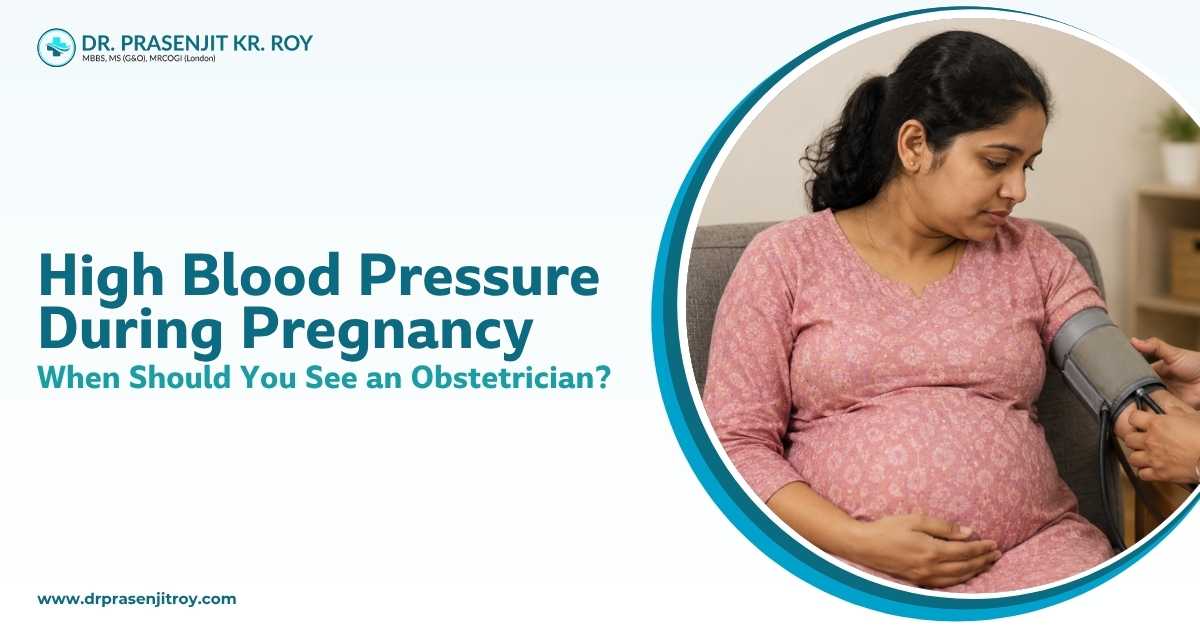



The moment you find out that you are pregnant, the feeling can include a mix of emotions, including excitement, joy, and anxiety. It is quite obvious to have several questions in your mind once pregnancy is confirmed.
To address the questions, it is recommended to consult a trusted Obstetrician in Siliguri or any location near you. In addition, such a specialist ensures the healthy development of your child through regular checkups that start during the first week of pregnancy.
In this blog, we will uncover some valuable tips from an Obstetrician regarding the first trimester of pregnancy care. This will help you remain equipped with relevant knowledge and information once you conceive.
What Should You Do During the First Trimester?
- Schedule your first prenatal visit.
- Take folic acid supplements.
- Eat a balanced diet.
- Stay hydrated.
- Get adequate rest.
- Avoid smoking and alcohol.
- Follow your doctor's advice.
The Importance of Your First Prenatal Appointment
During the first checkup, your doctor will determine your due date, review your medical history, and assess your overall health. To make sure your baby is developing well, doctors conduct some standard medical tests, such as blood work, urine tests, and early scans.
When you build open, honest communication with your doctor, you can talk about your health problems and worries without hesitation. This first visit helps create a personal care plan tailored to your body’s needs during this period. Regular consultations with experienced Gynecologist & Obstetrician Doctors in Siliguri can help identify potential pregnancy complications early, allowing timely intervention and ensuring the health and safety of both mother and baby throughout pregnancy.
To receive high-quality tests and care for your reproductive and maternal health, consult the best Gynecologist & Obstetrician Doctors in Siliguri. These doctors monitor your baby's growth and watch out for any health risks.
Having an expert medical team by your side brings true peace of mind so you can focus entirely on staying healthy. Regular visits during these early weeks help find and treat any hidden issues before they can harm your little one.
Morning Sickness and Managing Common Early Body Changes
Nausea and vomiting happen to most pregnant women during the first few months of pregnancy. Even though it is called morning sickness, this pregnancy symptom can actually happen at any time during the day or night.
To manage this discomfort, doctors suggest eating small amounts of food throughout the day instead of eating three large, heavy meals.
Keep snacks by your bedside to eat before getting out of bed, which can help reduce nausea. Staying hydrated by sipping water, having soups, and herbal teas between your meals will keep your body hydrated and your energy levels steady.
You will also feel very tired as your body is working hard to build a support system for your baby. Sudden changes in hormones can leave you feeling exhausted, even if your daily routine remains unchanged.
You must listen to your body and get extra rest by going to bed early and taking short naps during the day. Some of the other normal signs of a healthy pregnancy include breast tenderness, frequent urination, and mild cramps in your belly.
Essential Nutrition and Daily Supplements

A balanced diet rich in essential nutrients is vital for your baby’s organ development during the first trimester. You must focus on eating a variety of whole foods, fresh vegetables, lean proteins, and healthy grains like oats.
Calcium-rich food items such as yogurt, milk, and dairy alternatives are necessary to support your baby’s bones and teeth. You must also incorporate iron-rich foods to produce the extra blood, which carries oxygen to your growing fetus. Avoiding junk food, processed foods, excessive sugar, and unhealthy fats will keep your body strong and support your overall health.
Every pregnant mother must take a prenatal vitamin that contains at least four hundred micrograms of folic acid. Taking folic acid before and during pregnancy prevents serious birth defects of a baby’s brain and spinal cord.
You should begin taking these supplements before you get pregnant, or right after you find out you are having a baby. While eating healthy food provides a great start, prenatal vitamins fill in the gaps to ensure your baby gets complete nourishment.
You must consult your doctor before you start taking any supplements, herbal remedies, or over-the-counter medicines.
Simple Physical Activities and Lifestyle Adjustments You Must Make
Maintaining a routine of moderate exercise offers many benefits, including improved mood, better sleep quality, and fewer body aches. Low-impact exercises like brisk walking, prenatal yoga, and swimming are highly recommended by health experts to keep your body active.
Regular movement boosts your blood circulation, keeps your heart healthy, and prepares your muscles for the later months of pregnancy. However, it is very important to avoid rough sports or exercises that involve a risk of falling. You must pay attention to yourself, move at a comfortable pace, and stop exercising if you feel dizzy or tired.
You may consider doing these safe activities during your first trimester:
- Taking a walk in the park helps you maintain your heart health.
- To improve flexibility and lower your stress levels, you can consider doing Yoga.
Making conscious lifestyle choices is very important for keeping your growing baby safe from external dangers during these weeks. You must eliminate drinking alcohol, smoking tobacco, and using any drugs, because these things cause severe long-term harm to your baby.
You must reduce your daily caffeine intake to less than two hundred milligrams, or one small cup of coffee. Be careful around strong chemical cleaners, bug sprays, and very hot places like steam rooms or hot tubs at a spa.
When you prioritize a clean, safe home environment, you can ensure that your baby can grow safely without being close to any health hazards.
Nurturing Your Emotional Health and Managing Mood Fluctuations
The hormonal changes that happen during the first trimester can cause strong mood swings, making you feel happy one minute and anxious the next. It is very important to talk openly with your partner, family, or close friends about the feelings you are having inside.
Building a circle of supportive people gives you a safe place to share your worries and celebrate your happy news. By setting aside some time every day for things that help you relax, like reading a book, listening to music, or resting.
Warning Signs that Require Medical Attention
While minor aches and discomforts are a normal part of early pregnancy, some symptoms mean you need to see a doctor immediately. Slight spotting can happen, but heavy bleeding with painful cramps needs immediate medical attention. Sharp, severe pain on just one side of your belly could be a sign of a dangerous pregnancy that needs help.
Throwing up so much that you cannot keep water down for a whole day can cause dehydration. Knowing these dangerous signs helps you act fast to protect your own health and save your baby’s life.
Other Physical Symptoms You Should Never Ignore
Other warning signs that require you to visit a doctor immediately include running a high fever, having chills, or feeling pain when you urinate. Fast swelling in your face, hand, or feet, or having a terrible headache that will not go away, should also be checked.
Your doctor will check these symptoms and give you the right medical treatment to stay safe. Staying alert and listening to your body helps stop small health issues from turning into complicated problems later on.
Picking the right doctor ensures you get kind, personal, and advanced medical care that fits your path to becoming a mother. If you want the best guidance, talk to the Top gynecologist in Siliguri, who will give you great medical support and expert advice.
For excellent maternity care and personalized guidance through every stage of your journey, you may consider visiting the clinic of Dr Prasenjit Kr Roy. His clinic offers comprehensive prenatal testing, clear medical scans, and expert advice to make sure you have a safe and healthy delivery experience.
Also Read:-
FAQ
1) When should I see an obstetrician after a positive pregnancy test?
You should schedule your first prenatal appointment within 6–8 weeks of pregnancy confirmation.
2) Is morning sickness normal during the first trimester?
Yes. Morning sickness affects most pregnant women and is considered a common sign of early pregnancy.
3) Which vitamins are important during the first trimester?
Folic acid, iron, calcium, and vitamin D are among the most important nutrients during early pregnancy.
4) Can I exercise during the first trimester?
Yes. Safe activities like walking, prenatal yoga, and swimming are generally recommended after consulting your doctor.
Final Thoughts
When you are going through the first months of pregnancy, you are also learning about your body’s changes. You must have nutritious meals and visit your doctor for regular checkups. You must trust your maternal instincts, stay close to people who love you, and do not hesitate to ask questions.
Are you expecting a baby and looking for expert prenatal care? Schedule a consultation with Dr. Prasenjit Kr Roy, a trusted Obstetrician in Siliguri, and receive personalized guidance for a healthy and safe pregnancy journey.
Reviewed by Dr. Prasenjit Kr Roy, MBBS, MS (Obstetrics & Gynaecology), Specialist in High-Risk Pregnancy and Maternal Care.
Disclaimer: This article is for educational purposes only and should not replace professional medical advice.
Comments (0)


