


Pelvic pain, painful periods, and heavy menstrual bleeding can significantly affect your daily life. Two common conditions behind these symptoms are adenomyosis and endometriosis. Although they share similar symptoms, they are different disorders that affect the uterus in different ways.
Adenomyosis occurs when the lining of the uterus grows into the muscular wall of the uterus. Endometriosis develops when tissue similar to the uterine lining grows outside the uterus, affecting organs such as the ovaries, fallopian tubes, bladder, or bowel.
Because the symptoms often overlap, many women experience delays in diagnosis. Early evaluation by the best gynaecologist in Siliguri can help identify the exact cause of your symptoms, reduce pain, and protect your reproductive health.
Adenomyosis vs Endometriosis: Quick Comparison
| Feature | Adenomyosis | Endometriosis |
|---|---|---|
| Tissue grows | Inside the muscular wall of the uterus (myometrium) | Outside the uterus |
| Common symptoms | Heavy periods, severe cramps, enlarged uterus | Pelvic pain, painful periods, pain during intercourse |
| Heavy menstrual bleeding | Very common | May occur |
| Fertility impact | Can reduce implantation and pregnancy success | May block fallopian tubes and affect egg quality |
| Diagnosis | Pelvic exam, ultrasound, MRI | Ultrasound, MRI, laparoscopy |
| Treatment | Hormonal therapy, pain relief, surgery | Hormonal therapy, laparoscopic surgery, fertility treatment |
What Causes Adenomyosis and Endometriosis?
The exact cause of both conditions remains unclear. However, researchers believe several factors contribute to their development.
Causes of Adenomyosis
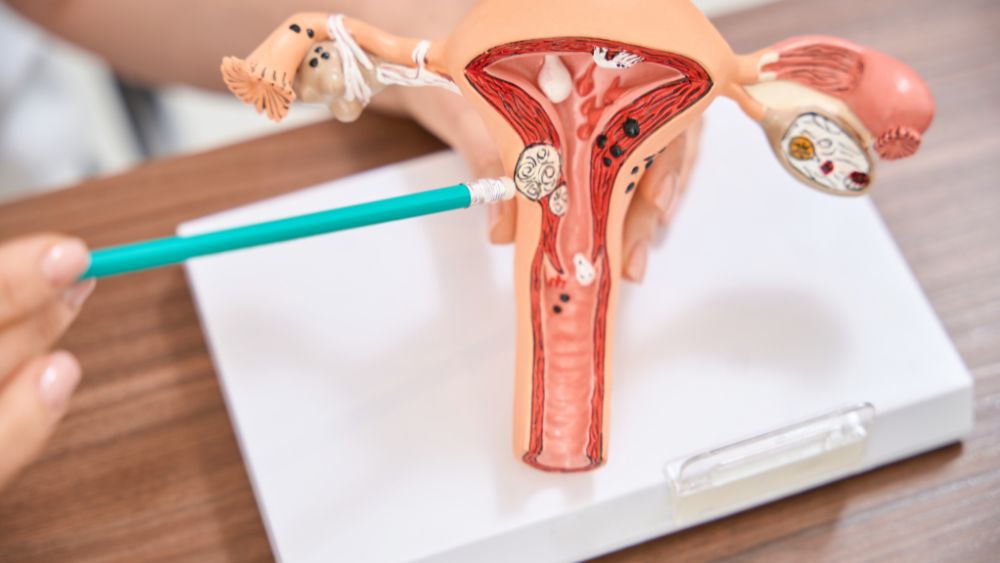
Possible causes include:
- Hormonal changes, particularly estrogen
- Previous uterine surgery such as a Caesarean section or fibroid removal
- Childbirth
- Age-related changes in the uterine wall
- Chronic inflammation of the uterus
Causes of Endometriosis
Several theories explain why endometriosis develops.
Possible causes include:
- Retrograde menstruation
- Genetic predisposition
- Immune system dysfunction
- Hormonal imbalance
- Stem cell abnormalities
- Environmental and inflammatory factors
Women with a close family member diagnosed with endometriosis may have a higher risk of developing the condition.
Risk Factors
Certain factors increase the likelihood of developing these disorders.
Adenomyosis Risk Factors
- Age above 35 years
- Previous pregnancy
- Uterine surgery
- High estrogen exposure
- Multiple childbirths
Endometriosis Risk Factors
- Family history
- Early onset of menstruation
- Short menstrual cycles
- Heavy menstrual bleeding
- Delayed pregnancy
- Low body mass index in some women
Having one or more risk factors does not necessarily mean you will develop either condition. Regular gynaecological check-ups help detect problems early.
Symptoms: How Are They Different?
Both conditions can cause severe pelvic pain, making diagnosis challenging. However, certain symptoms are more common in one condition than the other.
Symptoms of Adenomyosis
Women with adenomyosis commonly experience:
- Heavy menstrual bleeding
- Large blood clots
- Severe menstrual cramps
- Enlarged or tender uterus
- Pelvic pressure
- Lower back pain
- Bloating
- Pain during sexual intercourse
The pain usually becomes worse during menstruation because the trapped tissue bleeds inside the uterine muscle.
Symptoms of Endometriosis
Endometriosis often causes pain beyond the menstrual period.
Common symptoms include:
- Chronic pelvic pain
- Pain before and during periods
- Pain during sexual intercourse
- Pain while passing urine or stool during menstruation
- Pain that radiates to the thighs or lower back
- Chronic fatigue
- Difficulty becoming pregnant
- Digestive symptoms such as bloating, constipation, or diarrhoea during periods
Symptoms vary greatly from one woman to another. Some women with extensive disease experience little pain, while others with mild disease may have severe symptoms.
How Doctors Diagnose Adenomyosis and Endometriosis
Because these conditions share many symptoms, diagnosis requires a combination of medical history, physical examination, and imaging tests.
Your gynaecologist may recommend:
Pelvic Examination
A physical examination helps identify an enlarged uterus, pelvic tenderness, or abnormal masses.
Transvaginal Ultrasound
Ultrasound is often the first imaging test used to detect adenomyosis and ovarian endometriomas.
MRI Scan
MRI provides detailed images of the uterus and surrounding pelvic organs, helping differentiate adenomyosis from fibroids and evaluate deep endometriosis.
Diagnostic Laparoscopy
Laparoscopy is considered the most accurate method for confirming endometriosis. During this minimally invasive procedure, a small camera is inserted through tiny abdominal incisions to identify and, when appropriate, treat endometriosis lesions.
Early diagnosis is essential to prevent disease progression, manage pain effectively, and preserve fertility. If you experience persistent pelvic pain, heavy periods, or difficulty conceiving, consult the best gynaecologist in Siliguri for a comprehensive evaluation and personalised treatment plan.
Fertility: How These Conditions Affect Pregnancy
Both adenomyosis and endometriosis can affect fertility, but they do so in different ways.
Endometriosis and Fertility
Endometriosis can make it difficult to conceive by changing the normal structure of the reproductive organs. Scar tissue and pelvic adhesions may block the fallopian tubes, while inflammation can affect egg quality, fertilisation, and embryo implantation.
Women with moderate to severe endometriosis may require fertility treatments such as ovulation induction, intrauterine insemination (IUI), or in vitro fertilisation (IVF), depending on their individual circumstances.
Adenomyosis and Fertility
Adenomyosis mainly affects the uterus. The thickened uterine muscle may reduce blood flow and make it harder for a fertilised embryo to implant successfully. Chronic inflammation within the uterine wall may also increase the risk of miscarriage in some women.
If you are planning a pregnancy and have symptoms such as severe menstrual pain or heavy bleeding, consult Gynaecologist & Obstetrician Doctors in Siliguri for a timely fertility assessment and personalised treatment plan.
Treatment Options for Adenomyosis and Endometriosis
Treatment depends on several factors, including your age, symptom severity, future pregnancy plans, and the extent of the disease. The primary goals are to relieve pain, improve quality of life, and preserve fertility whenever possible.
1. Lifestyle Changes and Pain Management
Women with mild symptoms may benefit from healthy lifestyle modifications alongside medical treatment.
These include:
- Regular low-impact exercise such as walking, yoga, or swimming
- Maintaining a healthy body weight
- Eating a balanced diet rich in fruits, vegetables, whole grains, and omega-3 fatty acids
- Staying well hydrated
- Getting adequate sleep and managing stress
Non-steroidal anti-inflammatory drugs (NSAIDs), such as ibuprofen, may help reduce menstrual pain when taken under medical guidance.
2. Hormonal Therapy
Hormonal treatment reduces the effect of estrogen, which stimulates abnormal tissue growth.
Your doctor may recommend:
- Combined oral contraceptive pills
- Progestin-only medications
- Hormonal intrauterine device (LNG-IUD)
- Gonadotropin-releasing hormone (GnRH) agonists or antagonists in selected cases
These treatments can reduce menstrual bleeding, relieve pelvic pain, and slow disease progression. Your doctor will recommend the most suitable option based on your medical history and reproductive goals.
3. Surgical Treatment
Surgery may be recommended if medications do not provide adequate relief or if fertility is affected.
For Endometriosis
Minimally invasive laparoscopic surgery can remove endometriosis implants, ovarian endometriomas, and scar tissue while preserving healthy reproductive organs whenever possible.
For Adenomyosis
.jpg)
Women who have completed their family and have severe symptoms may benefit from a hysterectomy, which removes the uterus and provides definitive treatment for adenomyosis.
For women wishing to preserve fertility, uterus-conserving procedures may be considered in carefully selected cases.
Consult experienced gyne doctors in Siliguri to understand which treatment option is most appropriate for your condition.
Also Read:-
How Endometriosis Affects Fertility and Pregnancy
How Often Should Women Visit a Gynaecologist
Conclusion
Adenomyosis and endometriosis are completely different conditions, but both can disrupt your daily life. Whether the tissue is trapped inside the uterine wall or growing on organs outside of it, the intense pain you feel is very real. Consult the best gynaecologist in Siliguri to get a clear diagnosis, protect your fertility, and find a treatment plan that puts your health back on track.

