



While experiencing minor discomfort during your monthly cycle is normal, persistent pelvic pain might be a sign from your body that requires medical attention. You must not ignore the chronic pain in your lower belly area because it can lead to bigger health problems that can disrupt your well-being.
If you are experiencing constant pain in your abdominal area or are facing irregular menstrual cycles, you must consult the best gynaecologist in Siliguri to get a checkup done. When you learn about these types of discomfort, it helps you recognise the difference between a minor issue and a medical emergency.
Quick Summary
- Mild menstrual cramps are common, but persistent pelvic pain is not.
- Conditions such as endometriosis, ovarian cysts, fibroids, and infections can cause pelvic pain.
- Severe pain accompanied by fever, dizziness, or heavy bleeding requires urgent medical attention.
- Early diagnosis can help prevent complications and improve quality of life.
This article has been medically reviewed by Dr. Prasenjit Kr Roy and is based on current clinical understanding and guidance from leading healthcare organizations, including the World Health Organization (WHO), the American College of Obstetricians and Gynecologists (ACOG), and the National Health Service (NHS).
Understanding Pelvic Pain and Its Main Types
Doctors generally categorize pelvic pain into two main groups based on how long it lasts and how quickly it develops. Acute pain happens very suddenly and feels quite sharp, which usually means there is an urgent problem that needs urgent medical help.
Chronic pain, on the other hand, lasts for 6 months or longer and can completely ruin your daily routine and emotional stability. Both types of pain require a proper medical examination to determine the root cause and initiate an effective treatment plan.
The underlying causes of this discomfort can range from normal body changes to more complex issues that need special medical tests. For example, very painful menstrual cramps, known as dysmenorrhea, can sometimes be a sign of hidden problems like non-cancerous lumps or uterine fibroids.
Endometriosis occurs when tissue similar to the uterine lining grows outside the uterus, causing swelling and painful scars during the menstrual cycle. It is crucial to identify these health issues early through proper diagnostic tests to ensure that you receive the right care and manage your symptoms effectively.
Common Causes of Pelvic Pain in Women
Problems in the Reproductive Organs
Ovarian cysts are small fluid-filled sacs that grow on your ovaries, and they can cause a dull ache or sudden, sharp pain if they burst. Another common cause of chronic pain is adenomyosis, where the womb-lining tissue grows directly in the muscle wall of your uterus, causing severe cramps.
Uterine fibroids, which are harmless, non-cancerous growths, can make you feel a heavy, pressing weight in the lower belly. You should consult experienced gyne doctors in Siliguri to obtain an accurate diagnosis and a personalized treatment plan for these specific issues.
Internal Infections and Swelling
Pelvic Inflammatory Disease is a serious bacterial infection in a woman’s reproductive organs that usually starts from an untreated sexually transmitted infection. This condition causes constant lower belly pain, unusual discharge, and high fever, which requires immediate antibiotic treatment to prevent permanent damage to your fallopian tubes.
Urinary tract infections can also cause pain in your lower stomach, along with a burning sensation during urination and frequent urges. Leaving these infections untreated can lead to more severe health problems, which is why consulting a doctor early is important.
In clinical practice, many women delay seeking treatment because they assume pelvic pain is a normal part of life. For example, a woman in her early 30s visited the clinic after months of recurring pelvic pain. Following a thorough evaluation, she was diagnosed with endometriosis and started appropriate treatment. Early intervention helped relieve her symptoms and improve her quality of life.
Can Pelvic Pain Affect Fertility?
Certain conditions associated with pelvic pain may affect fertility if left untreated.
These include:
- Endometriosis
- Pelvic Inflammatory Disease (PID)
- Severe uterine fibroids
- Chronic pelvic infections
Early diagnosis and treatment can help protect reproductive health and improve future pregnancy outcomes.
When to Visit a Doctor Right Away
Signs of a Serious Medical Emergency
Some symptoms that come with lower belly pain mean you are facing a medical emergency and must visit a specialist without delay. If your stomach pain is sudden, severe, and accompanied by vomiting, nausea, or a high fever, you must seek emergency medical help.
These acute symptoms could indicate appendicitis, a ruptured ovarian cyst, or an ectopic pregnancy, which is a dangerous medical emergency. An ectopic pregnancy occurs when a fertilized egg implants outside the uterus, requiring immediate surgery to protect your health.
Warning Signs That You Should Not Ignore
Other major warning signs include heavy bleeding, feeling dizzy, faint, and very weak. You should never wait out these severe symptoms at home, because delayed treatment can result in serious complications.
Spotting these warning signs allows you to take swift action and get the urgent medical care you need to fix the crisis. You must trust your instincts when the pain feels unusual or unbearable, as it is often your guide to seek emergency help.
What To Expect During Your Doctor Visit
Sharing Your Symptoms Honestly
When you walk into a medical clinic to get help for your pelvic pain, the doctor will begin with a detailed discussion about your medical history. You will be asked about the location of the pain, how severe it is, and if it changes during your menstrual cycle.
A thorough physical and pelvic examination will be conducted to check for any unusual lumps or tender spots. Being open and completely honest about what you are feeling helps your doctor to make an accurate diagnosis.
Diagnostic Tests to See Inside Your Body
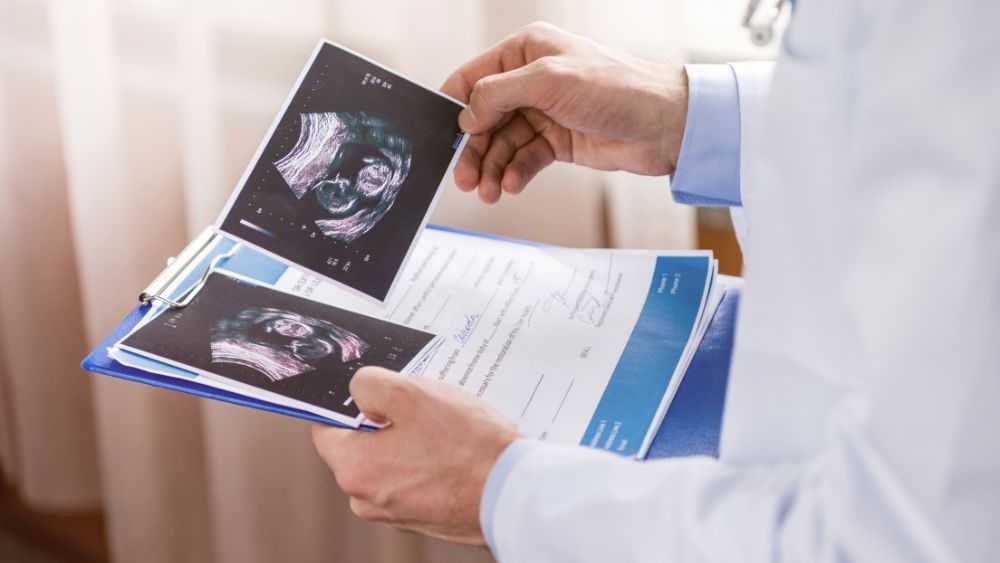
After the physical examination is done, your doctor will likely suggest a few tests to get a clear picture of your internal organs. A pelvic ultrasound test is used most often because it takes clear pictures of your uterus, ovaries, and fallopian tubes to detect any cysts, fibroids, or other anomalies.
In a few complex cases, your doctor may need a detailed scan, such as an MRI or laparoscopy, for greater clarity. These tests help the doctor determine the exact cause of your discomfort and create an effective management plan.
Simple Treatments and Relief Options
Medications and Lifestyle Changes for Relief
The management of your pelvic pain depends on what the medical tests show is actually causing the trouble inside you. For hormonal problems like endometriosis or severe period cramps, doctors very often prescribe birth control pills or specific pain-relief medications.
Small lifestyle changes like taking walks, dietary adjustments, and stress management can provide relief from chronic pelvic pain. When you work closely with your doctor, you ensure that your treatment plan addresses both your physical pain and your overall well-being.
Minimally Invasive Surgeries for Complex Cases
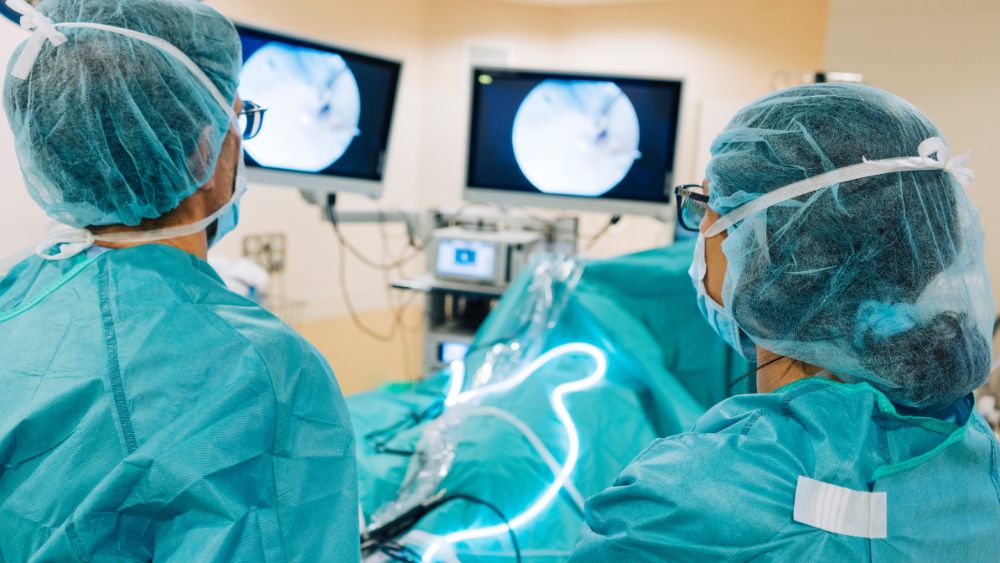
When standard medications and lifestyle changes do not bring enough relief, the doctor might talk to you about having a small surgical procedure. Minimal invasive surgeries can remove painful ovarian cysts or harmless lumps while preserving your reproductive health.
Your doctor will explain the benefits and potential risks of each option, helping you make an informed choice for the future. Attending your follow-up appointments is vital so the doctor can monitor your progress and make necessary adjustments to your treatment if needed.
Also Read:-
Taking Care of Your Long-Term Reproductive Health
Why You Should Never Brush the Pain Aside
Living with constant pain in your lower stomach can really disrupt your mood, drain your energy, and ruin your quality of life. You must remember that you should not have to live with severe pain and discomfort.
Getting professional help early helps to prevent these problems from turning into massive, complicated health issues that become much more difficult for a doctor to treat. You can take charge of your health by consulting a specialist who provides follow-ups to help you ensure a healthy life.
If you are experiencing recurring pelvic pain, painful periods, irregular bleeding, or other gynaecological concerns, book a consultation with Dr Prasenjit Kr Roy, one of the trusted specialists for women's reproductive health in Siliguri. A timely evaluation can help identify the cause and guide you toward the right treatment.
Schedule your appointment today and take the first step toward better reproductive health.
Final Thoughts
You must not wait till your discomfort turns into severe pain that might hinder you from carrying out your daily tasks. You can schedule an appointment with the best gynaecologist in Siliguri to gain a deeper understanding of your body and receive the treatment you need.
By taking care of your health now, you can ensure a much healthier life ahead, allowing you to live every day without chronic pain.
Reviewed By
Dr. Prasenjit Kr Roy
- Consultant Gynaecologist
- Infertility Specialist
- IVF Doctor
- Advanced Laparoscopic Surgeon
Disclaimer: This article is for educational purposes only and should not replace professional medical advice.
Comments (0)

