


Heavy periods, pelvic pain, or constant bloating are often dismissed as a normal part of a woman's life. However, these symptoms can sometimes be early warning signs of uterine fibroids a common condition that affects many women during their reproductive years.
Uterine fibroids are non-cancerous growths that develop in or around the uterus. While some women experience no symptoms, others may notice heavy menstrual bleeding, pelvic pressure, frequent urination, or difficulty conceiving. Recognizing these signs early can help prevent complications and improve your quality of life.
If you notice persistent symptoms, consult the best gynecologist in Siliguri or a trusted healthcare provider for an accurate diagnosis and personalized treatment plan.
In this blog, we'll discuss the early signs and symptoms of uterine fibroids, their different types, and when it's time to seek medical care.
What Are Uterine Fibroids?
Uterine fibroids, also known as leiomyomas, are non-cancerous growths that develop from the muscle tissue of the uterus. They can range in size from tiny growths that are difficult to detect to larger ones that can change the shape of the uterus.
Although the exact cause of fibroids is still not fully understood, hormones such as estrogen and progesterone are believed to influence their growth. Fibroids are most commonly diagnosed in women between the ages of 30 and 50.
Many women do not experience any symptoms and only discover they have fibroids during a routine pelvic examination or an ultrasound scan.
Types of Uterine Fibroids
The symptoms of uterine fibroids often depend on where they develop inside the uterus.
Intramural Fibroids
These are the most common type and grow within the muscular wall of the uterus. They may cause heavy periods, pelvic pain, and enlargement of the uterus.
Submucosal Fibroids
These fibroids develop just beneath the inner lining of the uterus. Even small submucosal fibroids can cause heavy menstrual bleeding and may affect fertility or increase the risk of miscarriage.
Subserosal Fibroids
These grow on the outer surface of the uterus. As they become larger, they may press against nearby organs such as the bladder or bowel, leading to frequent urination, constipation, or pelvic pressure.
Pedunculated Fibroids
These fibroids are attached to the uterus by a thin stalk. Depending on their location, they may cause pelvic discomfort or sudden pain if the stalk twists.
Early Signs & Symptoms of Uterine Fibroids
Recognizing the symptoms early can help prevent complications and allow timely treatment. Here are some common signs to watch for.
Heavy Menstrual Bleeding

Heavy or prolonged menstrual bleeding is one of the most common symptoms of uterine fibroids. If you need to change sanitary pads every hour, pass large blood clots, or your periods last longer than seven days, it's important to consult a gynecologist.
Fibroids can increase the surface area of the uterine lining and affect normal uterine contractions, leading to excessive bleeding. Over time, heavy blood loss may cause iron-deficiency anemia, resulting in fatigue, weakness, and dizziness.
Persistent Pelvic Pain or Pressure
A constant feeling of pressure, heaviness, or pain in the lower abdomen should not be ignored.
As fibroids grow, they can press against nearby tissues and organs, causing ongoing discomfort. Some women also experience abdominal fullness or bloating that does not improve with dietary changes.
If pelvic pain continues for several weeks or interferes with your daily activities, seek medical evaluation.
Lower Back Pain
Fibroids located on the back wall of the uterus may put pressure on nearby muscles and nerves, leading to lower back pain.
The discomfort may feel like a dull ache or radiate toward the hips or legs. Unlike muscle strain, this pain often does not improve with rest alone.
Frequent Urination
Large fibroids can press against the bladder, reducing its ability to hold urine.
As a result, you may feel the need to urinate more often, even when your bladder is not full. In some cases, fibroids may also make it difficult to empty the bladder completely.
If urinary symptoms continue without signs of infection, speak with your doctor.
Abdominal Bloating or Enlargement
A noticeable increase in the size of the lower abdomen can be another early sign of uterine fibroids.
Many women mistake this for weight gain or digestive bloating. However, as fibroids grow, they can enlarge the uterus, making clothes feel tighter around the waist.
Persistent bloating that does not improve should be evaluated by a gynecologist.
Pain During Intercourse
Pain or discomfort during sexual intercourse may occur when fibroids change the position or size of the uterus.
The pain may happen only in certain positions or continue as pelvic discomfort after intercourse. If this symptom becomes frequent, medical evaluation is recommended.
Women experiencing painful intercourse should consider consulting one of the experienced Gynaecologist & Obstetrician Doctors in Siliguri for proper diagnosis and treatment.
Painful Menstrual Cramps
While mild menstrual cramps are common, unusually severe cramps may be linked to uterine fibroids.
Fibroids can cause stronger uterine contractions during menstruation, leading to intense pain that may spread to the lower back or thighs.
If your menstrual pain does not improve with over-the-counter medications or disrupts your daily routine, consult a specialist.
Difficulty Conceiving
Most women with fibroids can still become pregnant. However, depending on their size and location, some fibroids may reduce fertility or increase the risk of pregnancy complications.
Fibroids located inside the uterine cavity may interfere with embryo implantation or change the shape of the uterus, making conception more difficult.
If you have been trying to conceive without success, a fertility evaluation can help determine whether fibroids are contributing to the problem.
Leg Pain
In some cases, larger fibroids may press against nerves or blood vessels in the pelvis.
This pressure can cause pain, numbness, or a heavy feeling in one or both legs. Although this symptom is less common, persistent leg discomfort combined with pelvic symptoms should be assessed by a gynecologist.
Also Read:-
How Often Should Women Visit a Gynaecologist
Strategies to Improve Fertility with Low AMH Levels
Original Expert Insight
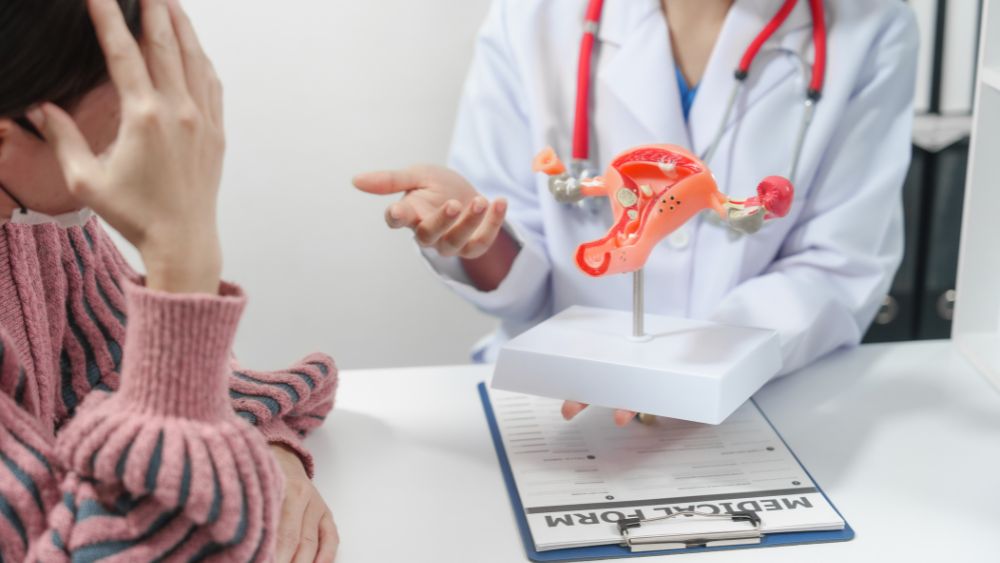
One of the biggest myths about uterine fibroids is that every fibroid requires surgery. In reality, many fibroids are small, do not cause symptoms, and only need regular monitoring.
Many women with small fibroids have no symptoms and only require regular follow-up with their gynecologist. The most appropriate treatment depends on several factors, including the size, number, and location of the fibroids, the severity of symptoms, and whether you plan to become pregnant in the future. Seeking medical advice early allows your gynecologist to recommend the most appropriate treatment before the condition begins to affect your health, fertility, or quality of life.
Frequently Asked Questions (FAQs)
1) Can uterine fibroids disappear naturally?
Small uterine fibroids may shrink on their own, especially after menopause when hormone levels decrease. However, most fibroids do not disappear completely without treatment. If your fibroids are causing heavy bleeding, pain, or other symptoms, it's important to consult a gynecologist for proper evaluation and management.
2) Are uterine fibroids cancerous?
No. Uterine fibroids are non-cancerous (benign) growths that develop from the muscle tissue of the uterus. They are very common and rarely become cancerous. Even though they are not cancer, fibroids can still cause symptoms such as heavy periods, pelvic pain, and fertility problems, which may require medical treatment.
3) Can uterine fibroids affect pregnancy?
Many women with uterine fibroids have healthy pregnancies. However, depending on their size, number, and location, some fibroids may increase the risk of complications such as pain during pregnancy, miscarriage, preterm birth, or difficulties during delivery. If you are planning a pregnancy and have fibroids, discussing your condition with a gynecologist can help you understand any potential risks.
4) Can fibroids return after treatment?
Yes. Fibroids can grow again after certain treatments, particularly if only the fibroids are removed and the uterus is preserved. The likelihood of recurrence depends on factors such as age, hormone levels, and the number of fibroids present before treatment. Regular follow-up appointments can help monitor your reproductive health.
Final Thoughts
Although uterine fibroids are non-cancerous, they should not be ignored when they begin causing symptoms. Heavy menstrual bleeding, persistent pelvic pain, frequent urination, abdominal bloating, painful periods, pain during intercourse, or difficulty conceiving may all be signs that require medical attention.
Early diagnosis can help prevent complications such as anemia, chronic pain, and fertility problems while allowing access to a wider range of treatment options.
If you are experiencing any of these symptoms, schedule a consultation with Dr. Prasenjit Kr. Roy, one of the best gynecologists in Siliguri. With personalized evaluation and evidence-based treatment, he can help identify the cause of your symptoms and recommend the most suitable care for your individual needs.
- Consultant Gynaecologist
- Infertility Specialist
- IVF Doctor
- Advanced Laparoscopic Surgeon

