


When you and your partner are trying to conceive a baby, but months pass without a positive pregnancy test, it is natural to feel worried. Seeing a negative pregnancy test month after month can be heartbreaking. Many couples start questioning their health, timing, or lifestyle choices. While occasional delays in conception are common, persistent difficulty becoming pregnant may indicate an underlying fertility issue that deserves medical attention.
Sometimes we have a lot of questions in our minds, like, am I doing something wrong? Why is this happening to me?
Speaking with experienced IVF Doctors in Siliguri can be the first important step towards understanding what may be happening. Sometimes not getting pregnant does not mean that something is seriously wrong. The truth is that having trouble conceiving is more common than many people think, and there can be several possible reasons, including ovulation, sperm health, the fallopian tubes, the uterus, age, hormones, and even the timing of intercourse.
Hence, this blog will be your complete guide for all your doubts and confusion.
Fertility facts Worth Knowing
How Long Does It Usually Take to Get Pregnant?
Getting pregnant may take some time, even when both partners are healthy. Conception involves several steps that include an egg being released and fertilised by sperm, followed by successful implantation of the embryo in the uterus. Even when there are no obvious health concerns, these steps do not always happen immediately.
Generally, couples are advised to seek a fertility evaluation within the following timeline:
- 12 months of regular unprotected intercourse if the woman is under the age of 35.
- Around 6 months of trying if the woman is aged 35 or above.
In some situations, it may be better not to wait too long for a fertility evaluation, especially if you have irregular periods, a history of pelvic surgery, or any known reproductive health concerns.
What Are the Most Common Reasons for Not Getting Pregnant?
Some of the most common causes of fertility difficulties include:
- Irregular ovulation
- Polyendocrine metabolic ovarian syndrome (PMOS)
- Endometriosis
- Blocked or damaged fallopian tubes
- Male fertility issues
- Hormonal imbalances
- Age-related decline in fertility
- Uterine abnormalities
Understanding the underlying cause is important because fertility treatment recommendations vary from one individual or couple to another.
1) Irregular or Absent Ovulation

One of the most common reasons for difficulty conceiving is irregular ovulation. If an egg is not released regularly, it becomes harder for sperm to fertilize the egg.
Ovulation problems can be caused by hormonal imbalances, PMOS, significant weight gain or loss, thyroid disorders, high prolactin levels, and other medical conditions.
When a woman has very irregular periods or does not have periods for several months, it can indicate an ovulation problem. However, this does not mean that pregnancy is impossible. Once the underlying cause is identified and managed, fertility may improve significantly.
2) Blocked or Damaged Fallopian Tubes
The fallopian tubes are where the egg and sperm normally meet. If one or both tubes are blocked or damaged, fertilisation may become difficult.
Previous pelvic infections, endometriosis, pelvic inflammatory disease, or certain surgeries can affect the tubes. A blocked tube may not always cause noticeable symptoms, which is why doctors may recommend specific tests to determine whether the tubes are open and functioning properly.
3) Endometriosis
Endometriosis occurs when tissue similar to the lining of the uterus grows outside the uterus. This tissue can be found on the ovaries, fallopian tubes, and other pelvic structures.
Some women experience painful periods, chronic pelvic pain, or pain during intercourse, while others may have no symptoms at all. Endometriosis can affect fertility through inflammation, scar tissue formation, and changes involving reproductive organs.
If you experience severe menstrual pain and are struggling to conceive, discussing your symptoms with a fertility specialist is important.
4) Age and Egg Quality
Age can significantly influence female fertility. As women grow older, both the number and quality of eggs gradually decline.
Women can still conceive later in life, but fertility generally decreases with age. Having regular periods does not necessarily mean that egg quality remains unchanged.
Women who have been trying to conceive without success, especially after the age of 35, should consider seeking a fertility evaluation sooner rather than later.
5) Male Fertility Problems
Fertility is not only a woman's concern. Male factors can also contribute to difficulty conceiving.
Sperm count, movement, and shape all play important roles in fertilisation. Low sperm count, reduced motility, infections, hormonal imbalances, smoking, excessive alcohol consumption, and certain medical conditions can negatively affect sperm health.
A semen analysis can provide valuable information about male fertility. Fertility evaluation should ideally involve both partners rather than focusing solely on the woman.
6) Problems Affecting the Uterus
The uterus must provide a suitable environment for an embryo to implant successfully.
Conditions such as fibroids, polyps, uterine abnormalities, and scar tissue may sometimes interfere with conception or implantation.
However, having a fibroid or another uterine condition does not automatically mean pregnancy is impossible. The size, location, and impact on the uterine cavity are important factors.
An ultrasound or other investigations may be recommended depending on symptoms and medical history.
7) Hormonal or Thyroid Imbalances
Hormones control many parts of the reproductive cycle. Problems involving thyroid hormones, prolactin, or reproductive hormones can interfere with ovulation and menstrual regularity.
Some hormonal conditions cause noticeable changes in menstrual cycles, while others may have very few symptoms. Blood tests can help identify whether a hormonal imbalance is contributing to fertility challenges.
Treating an underlying hormonal condition may improve the chances of natural conception in some cases.
8) Life Style Factors
Lifestyle is not always the reason someone struggles to conceive, but certain habits can influence reproductive health.
Smoking, excessive alcohol consumption, being significantly underweight or overweight, inadequate sleep, and prolonged stress may affect fertility in some individuals.
A balanced diet, regular exercise, adequate sleep, and avoiding tobacco can support overall reproductive well-being.
Still, it is important not to blame yourself. Fertility difficulties are rarely caused by a single food choice, a stressful week, or one isolated lifestyle factor.
9) Sometimes the Cause is Unclear
Sometimes fertility investigations appear normal, yet pregnancy does not occur. This is often referred to as unexplained infertility.
It means that routine fertility tests have not identified a specific cause. Based on age, medical history, and test results, a doctor may discuss options such as continued natural attempts, fertility medications, intrauterine insemination (IUI), or assisted reproductive techniques.
Signs You Should Not Ignore
If you are trying to conceive, consider seeking medical advice if you experience:
- Irregular or absent periods
- Severe menstrual pain
- Recurrent miscarriages
- Previous pelvic infections
- History of pelvic surgery
- Known sperm abnormalities
- Difficulty conceiving despite regular unprotected intercourse
Early evaluation can help identify potential fertility concerns and allow timely treatment.
How Is Infertility Diagnosed?
Before recommending treatment, fertility specialists usually perform a detailed assessment to understand the possible cause.
Common fertility investigations may include:
Medical History Review
Your doctor will discuss menstrual cycles, previous pregnancies, medical conditions, surgeries, and lifestyle factors.
Blood Tests
Hormone testing can help evaluate ovulation, thyroid function, ovarian reserve, and other reproductive hormones.
Ultrasound Scan
An ultrasound can help assess the ovaries, uterus, fibroids, polyps, and other structural abnormalities.
Semen Analysis
This test evaluates sperm count, movement, and shape to identify male fertility concerns.
Fallopian Tube Assessment
Tests such as HSG (Hysterosalpingography) may be recommended to check whether the fallopian tubes are open.
These investigations help fertility specialists create an individualised treatment plan.
What Is IVF Treatment?
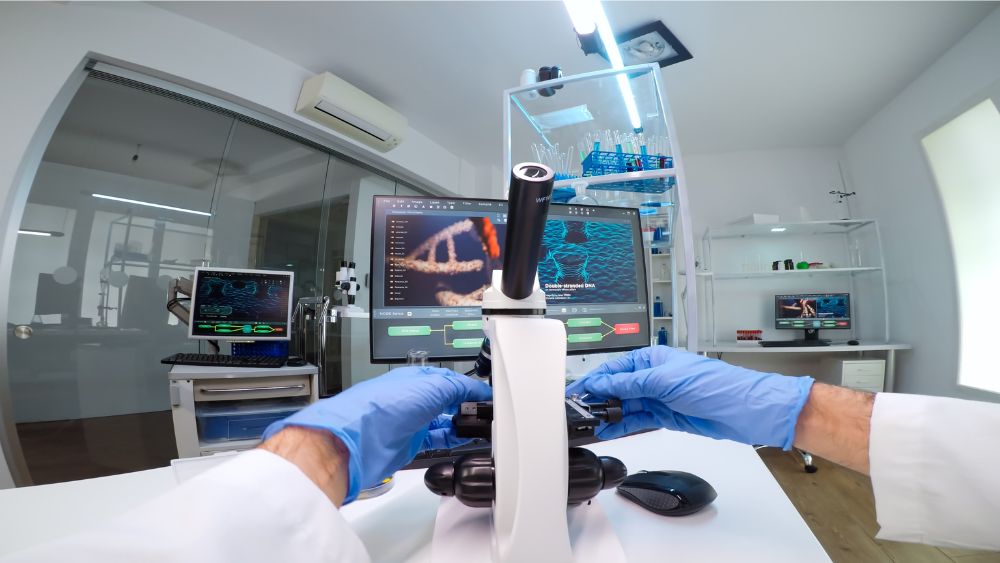
Many couples considering IVF Treatment in Siliguri often wonder whether IVF is their only option. The answer depends on the underlying cause of infertility.
IVF may be considered when other fertility treatments have not been successful or when IVF is the most suitable approach for a specific fertility condition.
During IVF, eggs are collected from the ovaries and fertilised with sperm in a laboratory. The resulting embryo is then transferred into the uterus.
IVF is not necessary for everyone experiencing fertility problems. Treatment recommendations depend on age, fertility test results, medical history, and overall reproductive health.
An experienced IVF specialist doctor can explain the available treatment options and determine which approach may be most appropriate for your situation.
When Should You Visit IVF Doctors in Siliguri for Fertility Concerns?
You do not always need to wait a full year before speaking with a fertility specialist.
Consider consulting an experienced IVF specialist doctor if:
- Your periods are irregular or absent.
- You have been diagnosed with endometriosis.
- You have undergone pelvic surgery.
- You have a known uterine or fallopian tube problem.
- Your partner has a diagnosed sperm-related issue.
- You are over the age of 35 and have been trying to conceive for six months or longer.
Couples seeking fertility evaluation in Siliguri often benefit from early diagnosis and personalised treatment planning.
Experienced IVF Doctors in Siliguri can assess your medical history and recommend investigations such as blood tests, ultrasound scans, semen analysis, or fallopian tube testing to identify the underlying cause.
Reviewed and Managed by Fertility Specialists
Fertility concerns should always be evaluated by qualified reproductive medicine specialists. Accurate diagnosis plays an important role in identifying the factors that may be affecting conception and determining the most appropriate treatment pathway.
Dr. Prasenjit Kr Roy has experience in evaluating and managing male and female infertility concerns. Through comprehensive fertility assessments and personalised treatment planning, couples can gain a clearer understanding of their reproductive health and available options.
Whether fertility challenges are related to ovulation disorders, male factor infertility, endometriosis, age-related concerns, or unexplained infertility, seeking timely medical guidance can help couples make informed decisions about their reproductive journey.
Also Read:-
How to avoid ectopic pregnancy with IVF
How Endometriosis Affects Fertility and Pregnancy
FAQs
1. How long should I try to conceive before seeing a doctor?
If you are under 35 years of age, it is generally recommended to seek medical advice after 12 months of regular unprotected intercourse. Women aged 35 and above should consider consulting a fertility specialist after about six months of trying.
2. Can irregular periods make pregnancy difficult?
Yes. Irregular periods may indicate that ovulation is not occurring regularly. Conditions such as PMOS, thyroid disorders, and hormonal imbalances can affect ovulation and make conception more challenging.
3. Can men also have fertility problems?
Yes. Fertility difficulties can affect either partner. Low sperm count, poor sperm movement, hormonal imbalances, and certain medical conditions can contribute to male infertility. A semen analysis is commonly used to assess sperm health.
4. Does difficulty conceiving mean I need IVF?
Not necessarily. IVF is only one of several fertility treatment options. The recommended treatment depends on the underlying cause, age, medical history, and fertility test results. An IVF specialist doctor can recommend the most suitable approach.
5. Can stress prevent pregnancy?
Stress alone may not directly cause infertility, but chronic stress can affect hormone balance, sleep quality, and overall reproductive health. Managing stress can support overall well-being while trying to conceive.
6. What tests are done to find out why I am not getting pregnant?
Doctors may recommend blood tests, ovulation assessment, ultrasound scans, semen analysis, and fallopian tube evaluation to identify possible fertility issues and guide treatment planning.
7. Can I get pregnant naturally after infertility treatment?
Depending on the underlying cause of infertility, some couples may successfully conceive naturally after receiving appropriate medical treatment, lifestyle guidance, or fertility support.
Final Thoughts
For many women and couples, parenthood is a beautiful dream they hope to experience someday. When pregnancy does not happen as expected, it can bring feelings of sadness, uncertainty, and frustration.
However, difficulty conceiving does not mean pregnancy is impossible. Many fertility concerns can be identified and managed with the right medical guidance and timely intervention.
If you have been trying to conceive for the recommended period without success, consulting experienced IVF Doctors in Siliguri can help you understand the possible causes and available treatment options.
If you have been trying to conceive without success, early fertility assessment can help identify the underlying cause and guide the next steps. Consult Dr. Prasenjit Kr Roy, one of the trusted IVF Doctors in Siliguri, for personalised fertility evaluation and treatment guidance.
Key Reference Sources
- World Health Organization (WHO) – Infertility and Reproductive Health Guidance
- American Society for Reproductive Medicine (ASRM)
- European Society of Human Reproduction and Embryology (ESHRE)
- International Federation of Fertility Societies (IFFS)
Medical Disclaimer
This article is intended for educational and informational purposes only and should not be considered a substitute for professional medical advice, diagnosis, or treatment.