


PMOS is also known as 'polyendocrine metabolic ovarian syndrome', a hormonal imbalance problem in a small organ called the 'ovaries' that stores women's eggs. PMOS is most commonly seen during childbearing ages. This occurs because of many factors, including metabolic changes, genetic influences, and complex hormonal imbalances.
You may notice common symptoms such as irregular periods, abnormal menstrual bleeding, and fertility difficulties. These warning signs should be addressed early to help prevent further complications. In some cases, PMOS can contribute to long-term health concerns if left unmanaged. Navigating this journey requires expert clinical guidance. For patients in Siliguri, consulting a leading gynaecologist specialising in reproductive endocrinology is vital. They offer precise diagnostics and advanced hormonal therapies tailored to your needs.
How a Specialist Diagnoses PMOS (The Rotterdam Criteria)
PMOS (polyendocrine metabolic ovarian syndrome) impacts several body systems. It is more than an ovarian issue. The condition affects both hormonal and metabolic health, and because every individual is different, symptoms and treatment pathways can vary significantly.
To understand how PMOS presents itself and how specialists identify the condition, it is important to recognise the key diagnostic features:
Irregular or Absent Periods (Oligovulation)
Menstrual cycles that are consistently unpredictable, infrequent (fewer than nine periods a year), or completely absent. This indicates that ovulation is not happening regularly.
High Androgen Levels

Elevated levels of male hormones. This can be confirmed through a blood test or identified through physical symptoms such as severe acne, male-pattern hair thinning, or excess facial and body hair (hirsutism).
Polycystic Ovaries on an Ultrasound
A pelvic ultrasound may reveal enlarged ovaries containing multiple small, immature follicles. These follicles often appear like a string of pearls.
These are some of the common factors a specialised gynaecologist evaluates before determining the most appropriate treatment pathway.
Why Does This Happen? Let's Understand the Root Causes
If you are experiencing these symptoms, it is important to know that this is not your fault. According to medical research, PMOS is a multi-system endocrine disorder influenced by genetic predisposition, hormonal imbalance, and metabolic dysfunction. Here is a simple explanation of what may be happening inside the body.
The Insulin Connection
Insulin is the hormone that helps your body convert food into energy. Many people with PMOS have insulin resistance, meaning their cells do not respond effectively to insulin. To compensate, the body produces more insulin. Excess insulin can stimulate the ovaries to produce higher levels of testosterone, which can interfere with regular ovulation.
Miscommunication With the Brain
Your brain and ovaries constantly communicate through hormones. In PMOS, this communication may become disrupted. The brain can send stronger signals of certain hormones while reducing others, making it difficult for follicles to mature properly. As a result, ovulation may not occur regularly.
Internal Stress and Inflammation
Many people with PMOS experience low-grade inflammation within the body. This ongoing inflammatory response can encourage the ovaries to produce more male hormones while also worsening insulin resistance. Over time, this creates a cycle that can make symptoms more difficult to manage.
Your Family History
PMOS often runs in families. If your mother, aunt, or sister has experienced irregular periods, fertility challenges, or hormonal issues, your risk of developing PMOS may be higher.
Ways to Handle Daily Symptoms
Living with PMOS can feel exhausting. Mood changes, low energy levels, and persistent fatigue can affect everyday life. Fortunately, small lifestyle adjustments can make a meaningful difference.
Be Kind to Yourself
When blood sugar levels fluctuate, energy levels can drop quickly. Instead of forcing yourself into intense exercise routines, focus on gentle activities such as walking, stretching, yoga, or swimming. These activities can support both physical and emotional well-being.
Feed Your Balance
Sudden energy crashes often trigger cravings for sugary foods. Pairing carbohydrates with protein and healthy fats, such as fruits, nuts, seeds, eggs, or yoghurt, can help keep your blood sugar levels stable and reduce sudden energy crashes.
Permit Yourself to Pause
Hormonal changes can sometimes contribute to feelings of anxiety, overwhelm, or low mood. Taking a few minutes for deep breathing, mindfulness, or relaxation can help your body and mind reset during difficult moments.
Restoring Your Sleep Cycle
Quality sleep plays an important role in hormone regulation and recovery. Aim for 7–9 hours of quality sleep each night and establish a consistent bedtime routine to support overall health.
Physical Changes That You May Observe in PMOS
Living with PMOS often means dealing with visible changes that can affect self-confidence. These may include persistent acne, unwanted facial or body hair, or thinning hair. It is important to remember that these changes are not caused by poor hygiene or skincare habits. They are outward signs of underlying hormonal imbalances.
When the body struggles to process blood sugar efficiently, insulin levels can rise. Higher insulin levels encourage the ovaries to produce more androgens, which can increase oil production in the skin. This may lead to blocked pores and painful hormonal breakouts.
Some individuals may also gain weight or find it difficult to lose weight, particularly around the abdomen. When insulin resistance is present, the body becomes less efficient at using glucose for energy and is more likely to store excess energy as fat.
This metabolic imbalance can contribute to ongoing fatigue and low energy levels. Effective management is not about eating less or exercising excessively. Instead, it focuses on supporting hormone balance, improving insulin sensitivity, and restoring the body's natural metabolic rhythm.
How Is PMOS Treated?
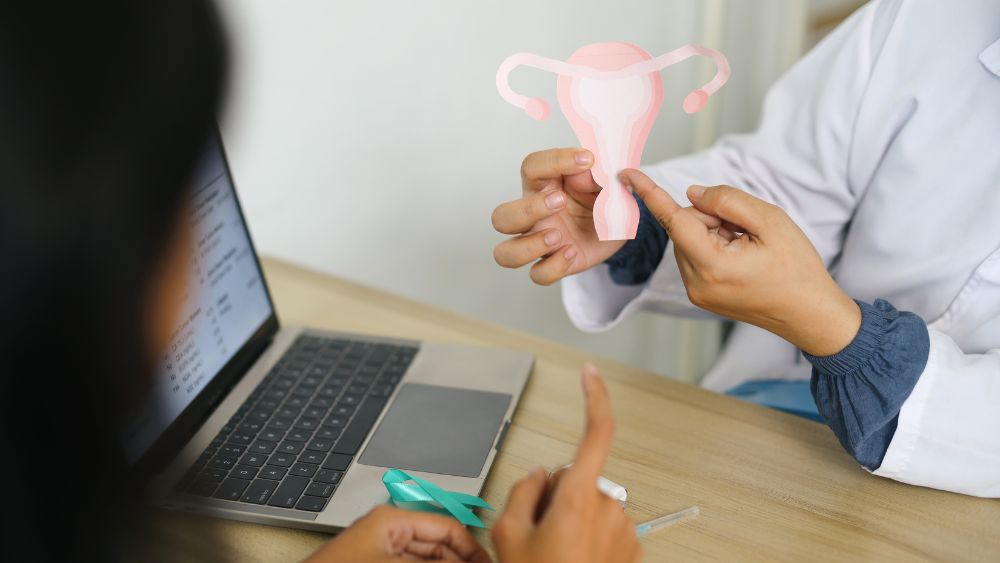
PMOS treatment focuses on managing symptoms, improving hormone balance, and supporting long-term reproductive health. Since every woman's experience is different, treatment is tailored to individual needs and health goals.
Lifestyle Modifications
Healthy lifestyle habits are often the first step in managing PMOS. Eating a balanced diet, staying physically active, managing stress, and getting adequate sleep can help improve insulin sensitivity, regulate hormones, and support overall well-being.
Medical Treatment
A gynaecologist may recommend medications to regulate menstrual cycles, manage hormonal imbalances, reduce symptoms such as acne or excess hair growth, and improve the body's response to insulin when needed.
Fertility Management
PMOS can affect ovulation and make conception more challenging. However, with timely medical guidance, lifestyle changes, and fertility-supporting treatments, many women with PMOS are able to achieve a healthy pregnancy. Early intervention can significantly improve fertility outcomes.
Also Read:-
When to Visit a Gynaecologist for Infertility
How Often Should Women Visit a Gynaecologist
Frequently Asked Questions (FAQs)
1) Can PMOS affect fertility?
Yes. PMOS can interfere with regular ovulation, which may make conception more challenging. However, with early diagnosis, lifestyle changes, and appropriate medical treatment, many women with PMOS are able to achieve a successful pregnancy.
2) What are the early signs of PMOS?
Some of the most common early signs include irregular periods, abnormal menstrual bleeding, acne, unwanted facial or body hair growth, weight gain, and difficulty conceiving. Symptoms can vary from person to person.
3) Can PMOS be managed successfully?
Yes. While PMOS requires ongoing management, symptoms can often be controlled through a combination of healthy lifestyle habits, medical treatment, and regular follow-ups with a qualified gynaecologist.
4) Is weight gain common in PMOS?
Yes. Many women experience weight gain due to insulin resistance and hormonal imbalances.
Final Thoughts
Struggling with PMOS can feel overwhelming, but it is important to remember that these symptoms are linked to genuine hormonal and metabolic changes within the body. With the right support and timely medical care, PMOS can be effectively managed.
For personalised guidance, consider consulting Dr Prasenjit Kr Roy, who is widely regarded as one of the best gynaecologist in Siliguri. A dedicated consultation can help you understand your symptoms, create a tailored treatment plan, restore hormonal balance, improve daily well-being, and support your long-term reproductive health goals.
Medical Disclaimer
This article is intended for educational purposes and should not replace professional medical advice. Consult a qualified gynaecologist for diagnosis and treatment recommendations.