


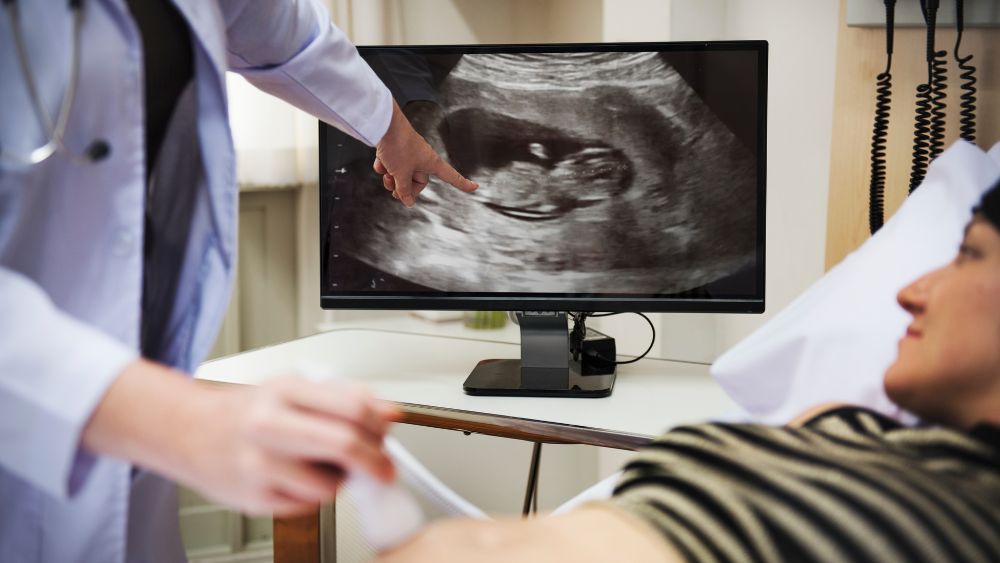
Endometrial thickness means the depth of the inner wall of your uterus, which doctors check during a transvaginal ultrasound. Ideally, doctors look for a thickness between 8 and 12 millimeters right before embryo transfer day.
A healthy womb lining is important because it helps the embryo attach safely, increasing the chances of a successful IVF treatment. Research published in Frontiers in Endocrinology suggests that pregnancy and live birth rates generally improve as endometrial thickness increases up to an optimal range. However, successful implantation also depends on factors such as embryo quality, maternal health, and the overall condition of the uterus.
Experienced IVF doctors in Siliguri can reassure you that a thin lining is not a reason to feel discouraged. Your uterus can change and improve with the right support, and a thin lining does not mean pregnancy is impossible.
Why a Thick Uterus Lining Matters for Pregnancy
Doctors measure endometrial thickness by checking the depth of the inner wall of your uterus during a transvaginal ultrasound. The womb lining changes every month as hormones shift, growing thick and full of blood to welcome a fertilized egg.
During an IVF cycle, doctors carefully monitor this growth because a healthy endometrial lining creates a more supportive environment for embryo implantation. A thin lining may reduce the chances of successful implantation in some women, although pregnancy is still possible depending on several factors. Endometrial thickness is only one part of the overall fertility picture.
A thin womb lining can develop for several reasons, including low estrogen levels, previous uterine surgery or scarring, chronic uterine infections, reduced blood flow, or individual differences in how the body responds to hormones. Since estrogen plays a key role in building the endometrium, insufficient hormone levels may affect its growth.
Factors such as high stress, sitting for long hours, or using birth control pills for a very long time can also influence your overall reproductive health and how your body builds this tissue.
Medical Treatments to Help Your Lining Grow
The most common and effective way to fix a thin lining is by using hormone medications prescribed by your fertility team. Doctors often give you estrogen through pills, skin patches, or gels to give your body a helpful boost.
This hormone tells the lining cells to divide quickly, making the layer thicker and adding more blood vessels to feed the area. Your doctor will check your progress using quick ultrasound scans to make sure the lining is growing well.
Expert Note: According to Dr. Prasenjit Kr. Roy, every woman's uterus responds differently to fertility treatment. Rather than relying on a fixed endometrial thickness number, he carefully evaluates ultrasound findings, hormone levels, medical history, and overall uterine health before recommending the most appropriate treatment plan. This personalized approach helps ensure that every IVF cycle is managed according to the patient's individual needs.
Medical Treatments Your Doctor May Suggest
- Estrogen Therapy: This standard hormonal approach directly tells your lining cells to multiply and grow quickly through oral pills, skin patches, or transdermal gels.
- Blood Vessel Relaxers: These specialized medications may improve blood flow to the uterus in selected cases by helping relax blood vessels.
- PRP Therapy: This modern procedure uses a small sample of your own processed blood cells to support tissue healing and endometrial growth in selected patients.
If standard estrogen does not work, doctors have other options to give the tissue an extra boost. Certain medicines can help improve blood flow to the uterus in carefully selected cases.
Another approach is Platelet-Rich Plasma (PRP) therapy, where doctors use a small amount of your own processed blood to support tissue healing inside the uterus. Some fertility specialists may recommend PRP in selected cases of persistently thin endometrium, although research on its effectiveness is still evolving. Your fertility specialist will recommend whether this option is appropriate for your individual condition.
Remember: A thin endometrial lining does not automatically mean your IVF cycle will fail. Many women experience improved lining thickness with appropriate treatment, and your fertility specialist may adjust medications or modify the treatment plan to give you the best possible chance of a successful embryo transfer.
Simple Diet Changes and Foods to Eat
What you eat every day affects how well your womb works during your treatment. You can use healthy foods to support your lining:
- Get more vitamins and nutrients: Add whole foods rich in L-arginine and Vitamin E, which support healthy blood circulation. Pumpkin seeds, walnuts, chicken, and dairy products are easy ways to include these nutrients in your daily meals.
- Keep your growing cells healthy: Fill your plate with colorful fruits and dark leafy green vegetables that provide antioxidants. Whole grains, beans, lentils, and healthy fats from avocados or olive oil give your body the nutrients it needs to build new tissue.
- Drink water consistently throughout the day: Staying hydrated supports healthy blood circulation throughout your body, including your reproductive organs. These simple dietary changes build a strong foundation when started a few months before treatment.
Also Read:-
How to avoid ectopic pregnancy with IVF
How to Make IVF Successful the First Time
Healthy Habits and Lowering Your Stress
Along with medicine and food, your daily habits and stress levels can influence your overall health during fertility treatment. You can support your reproductive health with a few simple habits:
- Move your body regularly: Gentle exercises like brisk walking, fertility yoga, or swimming help maintain healthy circulation. Sitting for long hours may reduce movement, so try standing up and stretching every hour.
- Manage your daily stress: Ongoing stress may affect your overall well-being and hormone balance during fertility treatment. While stress alone is not considered a direct cause of a thin endometrial lining, relaxation techniques such as meditation, deep breathing, or acupuncture may help improve emotional well-being and support a healthier IVF journey.
- Try targeted acupuncture: Some women choose acupuncture as part of their fertility care to promote relaxation and support their overall well-being. Discuss this option with your fertility specialist before starting.
Getting Fertility Care Close to Home
You will find that the right clinic and local doctors help when you are going through an IVF cycle. If you are looking at options for IVF in North Bengal, you will find reliable clinics equipped to manage complex fertility concerns, including thin endometrial lining.
Local fertility clinics use advanced ultrasound technology to monitor small changes in endometrial development throughout your treatment. Receiving care close to home also reduces travel-related stress and allows for timely follow-up appointments.
Doctors can monitor your lining very closely when you work with a nearby clinic. Since every woman responds differently to fertility medicines, being close to your clinic makes it easier to adjust medications whenever needed.
The medical teams in this region understand the needs of local patients, providing expert treatment with comfort and compassionate care.
Finding the Best Fertility Doctor for You
You should choose the best IVF doctor in Siliguri who takes the time to understand why your lining is thin. A skilled fertility specialist will not simply follow a standard protocol but will carefully evaluate possible causes, including hormonal imbalance, uterine scarring, infections, or other medical conditions.
Your specialist should also offer advanced evaluations, such as hysteroscopy or other diagnostic procedures, if your lining remains thin despite treatment. They should discuss your diet, lifestyle, and treatment options openly so that you understand every step of your fertility journey.
A supportive doctor knows that fertility treatment can be emotionally challenging and provides guidance, reassurance, and personalized care throughout the process.
If you are considering IVF treatment in Siliguri, you will find modern fertility centers with advanced laboratories, experienced embryologists, and comprehensive treatment facilities. This allows you to complete every stage of your IVF journey from ovarian stimulation to embryo transfer without leaving your hometown.
If you are looking for compassionate, expert fertility care tailored to your individual needs, Dr. Prasenjit Kr. Roy offers evidence-based fertility treatments with a strong focus on patient comfort, safety, and personalized care.
Final Thoughts
Modern fertility medicine, proper nutrition, and healthy lifestyle habits can all support the development of a healthier endometrial lining. Although improvements may take time, staying consistent with your treatment plan and following your fertility specialist's advice can help create the best possible environment for embryo implantation. Remember, endometrial thickness is only one factor in IVF success, and every fertility journey is unique.
If you are concerned about a thin uterine lining or planning your IVF journey, consulting experienced IVF doctors in Siliguri can help you understand the underlying cause and explore the most suitable treatment options. Dr. Prasenjit Kr. Roy provides personalized fertility care with careful monitoring, evidence-based treatments, and compassionate guidance to help you move forward with greater confidence. Schedule a consultation today to discuss a treatment plan tailored to your individual needs.
Medical Disclaimer: Please note that this blog is for informational purposes only and does not constitute medical advice, diagnosis, or treatment. Always seek professional guidance from your physician regarding any medical condition or concerns.

