



Going through fertility challenges can be emotionally exhausting, especially when IVF treatment fails for the first time. This can break down your emotional state, happiness, and hope related to IVF treatments. Many couples undergo multiple cycles yet get disappointed with the results. But that is not the end of the road; IVF failure is common due to certain factors that can be managed with proper treatment planning.
You can consult the best IVF doctor in Siliguri for effective treatment. Following the numerous advancements in assisted reproductive treatments, along with support for second opinions and expert doctors, you can embark on the journey of parenthood despite the obstacles. In this blog, we will shed light on the reasons for IVF failure and how you can manage them.
Let’s Understand the Common Causes of IVF Failure
Below are the common factors that can result in IVF failure:
Poor Egg Quality
One of the most common causes of IVF failure is poor egg quality, which can occur with advancing age. Especially, if women after the age of 35 are considering IVF treatment, they are at a higher risk of treatment failure due to declining quality and quantity of eggs. As egg quality decreases with age, they become more susceptible to chromosomal abnormalities. With age, the chance of an egg carrying the wrong number of chromosomes rises, which may fail to be fertilised and lead to early pregnancy loss.
Difficulty in Embryo Implantation
Another significant reason for IVF failure includes issues in embryo implantation. Even a healthy embryo can fail to implant in the uterus when the uterine lining is too thin, or there are issues in the fallopian tubes that prevent it from receiving the embryo. Also, if you experience fluctuations in hormones during the luteal phase, it can create difficulties in embryo implantation, eventually leading to IVF failure.
Endometriosis
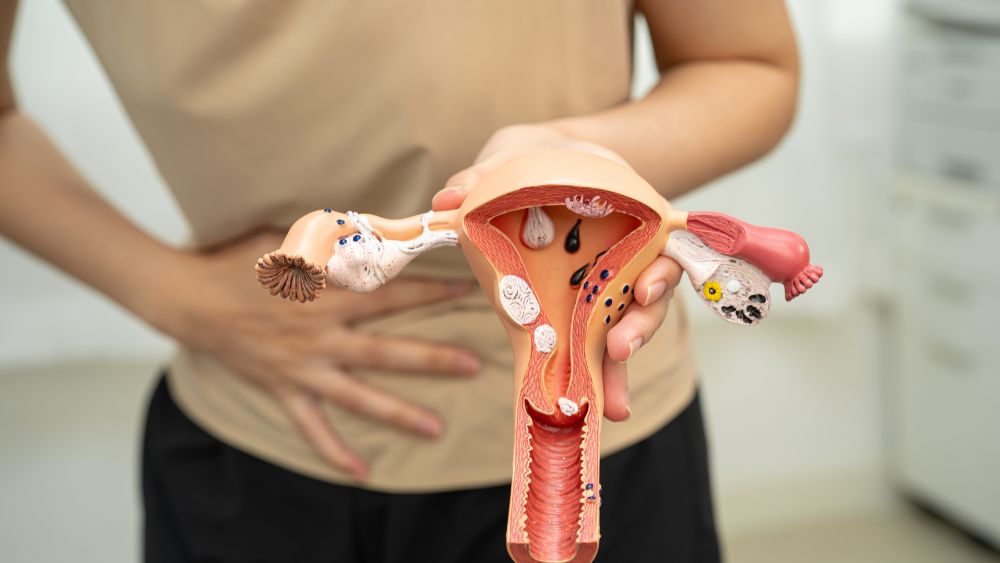
This is a woman's reproductive health condition where tissue similar to the uterine lining grows outside the uterus and affects the functions of other reproductive parts like the fallopian tubes, ovaries, pelvis, and uterus. If you are suffering from endometriosis and undergoing IVF treatment, there is a chance that it will lead to IVF failure.
Following the disrupted functions of the reproductive organs, endometriosis can affect egg quality and receptivity for the embryo for fertilisation due to poor endometrial lining and implantation. It is a commonly known cause of IVF failure.
Chromosomal Abnormalities
One of the leading contributors to IVF failure is chromosomal abnormalities that often prevent embryos from being implanted. Sometimes embryos with genetic disorders, such as structural defects, can disrupt crucial cell division and, in many cases, lead to developmental arrest or rejection by the body to be implanted.
Following unsuccessful implantation, IVF treatments often fail. To check genetic abnormalities before implantation, you can go for PGT (preimplantation genetic testing) to select the healthiest embryo. Poor embryo quality is one of the major reasons for failure in IVF treatment.
Poor Quality Sperm
In successful conception and IVF treatment, the quality of sperm plays a crucial role. As sperm contribute half of the genetic material to the embryo, poor sperm quality can significantly cause IVF failure. When male factor issues are involved, poor sperm motility means the ability of sperm to swim through the cervix is disrupted, leading to unsuccessful fertilisation and IVF treatment.
Also, sperm morphology or abnormal shape of sperm and low sperm count can impact the fertilisation of the egg, and even if fertilised, the embryo fails to survive. This can result in IVF failure. However, advanced treatments like ICSI help select healthy sperm to directly inject into the egg for a higher chance of pregnancy.
Maternal Age and Ovarian Reserve
Maternal age is one of the defining factors in IVF outcomes. With age, both the number of eggs and their quality decrease, which increases the chance of chromosomal disorders. After the age of 40, the ovarian reserve starts to decline and fails to respond to ovarian stimulation during IVF treatment.
Doctors track hormonal functions such as Anti-Mullerian Hormone (AMH), Follicle-Stimulating Hormone (FSH), and Luteinizing Hormone (LH), which are crucial for reproductive functions. With advanced maternal age, the success rate of IVF treatment reduces significantly, leading to failure.
Hormonal Issues
Another notable reason for IVF failure is hormonal imbalance in the patient's body. These can lead to PCOS (Polycystic Ovarian Syndrome), thyroid imbalance such as hypothyroidism (underactive thyroid) and hyperthyroidism (overactive thyroid), and uncontrolled diabetes, which disrupts ovulation, endometrial growth, and implantation.
Especially, women with PCOS have a higher risk of OHSS (Ovarian Hyperstimulation Syndrome), a condition where the ovaries swell and become painful, failing to perform sufficiently to the stimulation provided during IVF. This can lead to difficulty in producing mature follicles required for fertilisation, leading to failure of the treatment.
Lifestyle and Environmental Issues
One of the contributing factors to IVF failure is lifestyle choices before and during the procedure. Unhealthy lifestyles such as consuming alcohol, smoking, eating ultra-processed foods and beverages, lack of proper sleep, sedentary habits, and chronic stress can affect hormonal functions, egg and sperm health, uterine receptivity, and implantation, often leading to IVF failure.
Poor nutrition, such as vitamin deficiencies, can lead to impaired egg and sperm quality. Antioxidants, folate, omega-3, and protein are crucial to improve IVF treatment outcomes. Furthermore, exposure to environmental toxins or pollutants can also damage reproductive cells and lead to IVF failure.
Technical Factors
In IVF treatment, clinical expertise and laboratory precision play a vital role. As embryos are sensitive to temperature, pH, and handling, laboratory conditions directly affect embryo growth. Even a small deviation can affect viability.
Also, the expertise of the embryologist in handling eggs, sperm, and embryos, along with the timing of embryo transfer, ovarian stimulation protocol, and medication response, should be conducted with due consideration. You can visit the best IVF centre in Siliguri for effective care by a skilled medical team and experienced doctors.
Understanding Recurrent IVF Failure
Recurrent IVF failure refers to the condition in which a woman undergoes multiple IVF cycles and cannot achieve a successful pregnancy. IVF is a procedure where an egg and sperm are fertilised outside the body and implanted in the uterus. When pregnancy is not successful even after consecutive cycles, it leads to recurrent IVF failure.
However, recurrent IVF failure is different from recurrent miscarriages or pregnancy losses. In repeated IVF failure, the embryo has never been able to attach to the uterus due to several factors, such as poor egg quality, chromosomal abnormalities or aneuploidy, uterine polyps, endometriosis, immune or hormonal factors, and lifestyle-related issues. However, with advanced treatment options, these issues can be addressed, and the chance of pregnancy can be increased based on your medical findings.
Does Age Affect IVF Success?
Yes, age plays a crucial role in the outcome of IVF success. Especially, women considering IVF treatment after the age of 35 may face difficulty in achieving successful outcomes. Due to advanced age, egg reserve and quality decrease, age-related hormonal changes affect ovulation, ovarian response deteriorates, failing to produce mature eggs, embryo quality is affected, implantation rate is reduced, and overall fertility declines.
These factors significantly contribute to IVF failure and complicated pregnancies at a later age. Also, paternal age affects the quality of sperm, failing to fertilise the retrieved egg in the lab, eventually leading to IVF failure. Therefore, age is one of the predominant factors in determining the outcome of IVF treatment.
Watch: Expert Tips to Improve IVF Success
If you are worried after an unsuccessful IVF cycle, understanding the right approach can make a big difference. In this video, Dr. Prasenjit Kr Roy shares important insights and practical tips to improve IVF success and overcome common challenges.
What Can Be Done After IVF Failure?
Experiencing IVF failure can be emotionally and financially straining, and seeking the correct professional guidance can help you manage the concern. You can consult Dr. Prasenjit Kr Roy, one of the best IVF specialists in Siliguri, who has profound experience in the field of infertility treatment. Many couples have been blessed to become parents after undergoing treatment by Dr. Roy, even after repeated IVF failures.
You can do the following things to improve the chances of success:
- Discuss with your specialist and identify what caused the failure while focusing on specific aspects such as egg maturity, fertilisation rate, embryo quality, and transfer. Determine the issue and get an honest estimate of the chances of success with another attempt.
- If the issue was with ovarian stimulation or a low number of eggs, consult with your doctor regarding modifications to the drug protocol.
- If there were average or good-quality embryos that did not implant, consider switching your IVF centre before trying again at the same clinic.
- You can consider donor eggs, donor sperm, and donor embryos for future attempts. However, this option is usually considered after one failed cycle of IVF.
- Evaluate the clinical expertise of the professionals and check for issues related to egg or embryo quality, ovarian stimulation, or lab conditions. You may consider changing the IVF clinic to one with higher success rates.
Seek a second opinion that uses different protocols, technologies, and techniques to identify missed diagnoses and develop a new treatment plan.
Also Read:-
FAQs
1) What is Recurrent Implantation Failure (RIF)?
This typically refers to failure in achieving pregnancy even after 2 or more IVF cycles, despite a total of 4 or more high-quality embryo transfers.
2) Can I still get pregnant after multiple IVF failures?
Yes, many patients achieve success after trying different treatment protocols, changing clinics, or using advanced techniques. However, the success rate depends on your clinical findings.
3) Are advanced IVF procedures more expensive than standard IVF?
They can be slightly more expensive, but they also increase the chances of pregnancy and may save money from repeated attempts in the long run.
Conclusion
Couples experiencing repeated IVF failures go through a roller coaster of mental and physical stress, but this does not mean the end of hope. With proper diagnosis, expert consultation, personalised IVF treatments, and lifestyle modifications, you can improve your IVF outcome. You can consult an efficient infertility specialist in Siliguri for comprehensive care, advanced treatment options, and better outcomes.
Medical Disclaimer: Please note that this blog is for informational purposes only and does not constitute medical advice, diagnosis, or treatment. Always seek professional guidance from your physician regarding any medical condition or concerns.
Comments (0)

