





You may not notice vaginal dryness at first. Perhaps you experience slightly more uncomfortable intercourse or occasional irritation. But once it becomes frequent, you may get worried and start questioning yourself, “Is there something wrong with me?”
There’s no need to worry. Understanding the possible causes can help you feel more informed and prepared when consulting gyne doctors in Siliguri, while also giving you a clearer idea of what may be causing the symptoms.
What is Vaginal Dryness?
Vaginal dryness is when the vagina lacks enough moisture to be comfortable and healthy. This can be uncomfortable, especially during sex.
The vagina usually maintains its own levels of moisture and a healthy environment. Hormones, medication, stress, arousal, and other factors can interfere with this process, causing the vaginal tissues to become dry and sensitive.
Common symptoms include:
● Burning or itching around the vagina
● Pain or discomfort during intercourse
● Spotting after intercourse
● Increased need to pee
● Repeated UTIs
● Unusual discharge alongside dryness
Every woman feels vaginal dryness differently. Some people might have irritation almost constantly, while others might struggle more during sex. Vaginal dryness can happen before and after menopause, says Cleveland Clinic.
What Causes Vaginal Dryness?
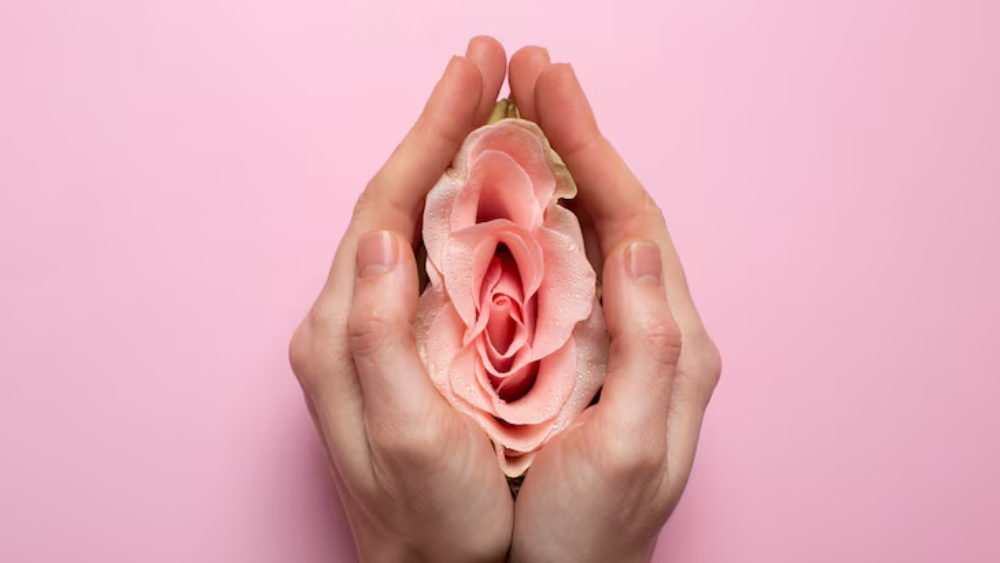
Hormones are a significant part of the equation. Estrogen is a hormone that promotes the health of the vagina. Fluctuating estrogen levels, especially those that are too low, can lead to vaginal dryness. This can happen:
● During perimenopause and menopause
● Pregnancy and breastfeeding
● Following surgical removal of the ovaries
● During some treatments for cancer
● Taking some types of Hormonal therapy
Medication can also be a cause. Certain antidepressants and hormonal contraception can affect vaginal lubrication in some people. However, if you have recently started a new drug and vaginal dryness has followed soon after, it is best to talk to your doctor instead of suddenly stopping the medication.
Avoiding perfumed intimate washes, intimate sprays, and douching can help prevent irritation and dryness. Smoking can also interfere with lubrication to some degree.
Sexual arousal plays a role in vaginal dryness. Lack of stress, worries about relationships, or insufficient time for adequate foreplay may contribute to reduced lubrication levels. Your physical and mental state are connected.
Other conditions, such as diabetes and Sjogren's syndrome, can contribute to vaginal dryness. This means that it is important to pay attention to other symptoms in addition to dryness.
How is Vaginal Dryness Treated?
There are several different treatments, depending on the cause, symptoms, and other factors. Your doctor may ask you certain questions about your cycle, pregnancy, or breastfeeding, medication, discomfort during intercourse, and other symptoms. For mild cases, there are several non-hormonal treatments.
1. Vaginal Moisturisers
Moisturisers can help keep the vagina comfortable between sexual activity. These are different from lubricants as you apply them regularly rather than right before sex.
2. Water-Based Lubricants
Lubricants help reduce friction during intercourse and can make sex more comfortable.
Water-based lubricants are a good option for people who use condoms, as oil-based lubricants can ruin them.
3. Avoid Irritants
Avoid using perfumed intimate washes, intimate sprays, or douching. Do not use body lotions or creams in your vagina, as this can cause irritation and disrupt the healthy pH balance of your vagina.
4. Give Your Body Time
Sometimes the best thing to do is to let things happen. If you are finding sex uncomfortable because your body has not had enough time to prepare itself, you may find that longer foreplay and a relaxed attitude help your body produce more lubrication.
Hormonal Treatment for Vaginal Dryness
Vaginal estrogen can be an option if low estrogen levels are the cause. Your doctor may also be able to prescribe other hormonal treatments such as vaginal tablets or pessaries.
There are several different options that your doctor can recommend, depending on your symptoms and personal circumstances.
Can Vaginal Dryness Be Linked to Certain Medication?
Sometimes, the medicine you take for another health concern can affect vaginal lubrication. Certain antidepressants, antihistamines, and hormonal contraceptives may contribute to dryness in some women.
If you noticed the problem after starting a new medication, make a note of when the symptoms began and discuss it with your doctor. Also, do not stop or change a prescribed medicine on your own.
Visit the doctor to discuss the issue. Your doctor can determine whether the medication may be contributing to the dryness and suggest a safer way to manage the symptoms.
What to Look for in A Doctor?
Chronic dryness can have multiple causes and impact a woman’s life. If you are looking to find the best gynecologist in Siliguri, focus on a doctor who listens attentively, pays careful attention to your symptoms, and can explain your options thoroughly.
A doctor can also help differentiate between hormonal causes, infection, skin conditions, effects of medication, and problems with the urinary tract. The doctor can examine the genital area and may also take tests if an infection is suspected.
You should see a doctor sooner if you start to experience:
● Bleeding after Sex
● Bleeding between periods
● Bleeding after menopause
● Unusual discharge
● Severe pain
● Burning sensation when peeing
● Persistent UTIs
Other worrying symptoms or discomfort that does not improve with time. Now, this does not necessarily mean that you have a serious condition, but these symptoms should always be checked out by a professional.
How can I Prevent Vaginal Dryness?
.png)
A few simple lifestyle changes can help reduce irritation and keep the vagina healthy:
● Drinking enough
● Avoid perfumed intimate washes, sprays, and douching
● Wearing breathable underwear
● Using a vaginal moisturiser if needed
● Using a lubricant during sex
● Giving yourself time to become aroused before sex
● Not smoking
● Talking to a doctor if symptoms persist rather than masking them with other products
Good vaginal care need not be complicated. Keeping irritants out of the vagina can be more important than adding products.
Final Thoughts
Vaginal dryness is an uncomfortable condition, but there are several treatments that can help relieve it. Instead of ignoring the symptoms or using unsuitable products, consider talking to experienced gynecologists in Siliguri to identify the cause and get the right treatment.
For more information, Dr Prasenjit Kr Roy can advise on the causes and treatments for vaginal dryness and help you identify the most appropriate next steps.
FAQs
1. Can vaginal dryness happen before menopause?
Vaginal dryness can occur at any age. It is most common after menopause but can also be a side effect of hormonal contraception, breastfeeding, medication, stress, reduced arousal, and other causes.
2. Does vaginal dryness always mean low estrogen?
Low estrogen is an important cause of vaginal dryness, especially around menopause. But medication, irritation, stress, breastfeeding, and other conditions can also contribute.
3. Can vaginal dryness cause pain during sex?
Reduced lubrication can lead to burning or painful sensations during sex. Using a lubricant may help reduce discomfort in certain cases. However, if vaginal dryness causes significant pain, see a doctor.
4. Should I use ordinary moisturiser for Vaginal dryness?
Ordinary body lotions and moisturisers are designed to work on the surface of the skin, not the delicate vaginal tissue. Using them can irritate and should be avoided.
5. When should I see a doctor for vaginal dryness?
See a doctor if symptoms persist for several weeks, interfere significantly with your sex life or daily routines, or occur alongside unusual discharge, pain, or discomfort. A proper diagnosis is needed to identify the cause of your vaginal dryness.


