





Some days you may face an unusual discharge, some itching, or a burning sensation, which makes you feel uncomfortable and worried, and you start asking yourself questions like, “Is this normal?” Instead of brushing it aside, talking to the best gynecologist in Siliguri can help you understand what’s causing these changes and what you can do about them.
What is a Vaginal Infection?
A vaginal infection occurs when there is an increase in vaginal bacteria or yeast. The vaginamaintains its natural ecosystem of bacteria and yeast, but an overgrowth of certain organisms can cause discomfort and itching.
Alone, discharge varies in consistency and colour throughout the menstrual cycle. Any alteration in colour, texture, or scent that persists warrants discussion when other symptoms appear.
Many infections share similar symptoms, which is why proper diagnosis is important for effective treatment. A clinician may obtain a medical history, conduct an examination, and recommend tests or a swab for analysis.
What Are the Common Symptoms of a Vaginal Infection?
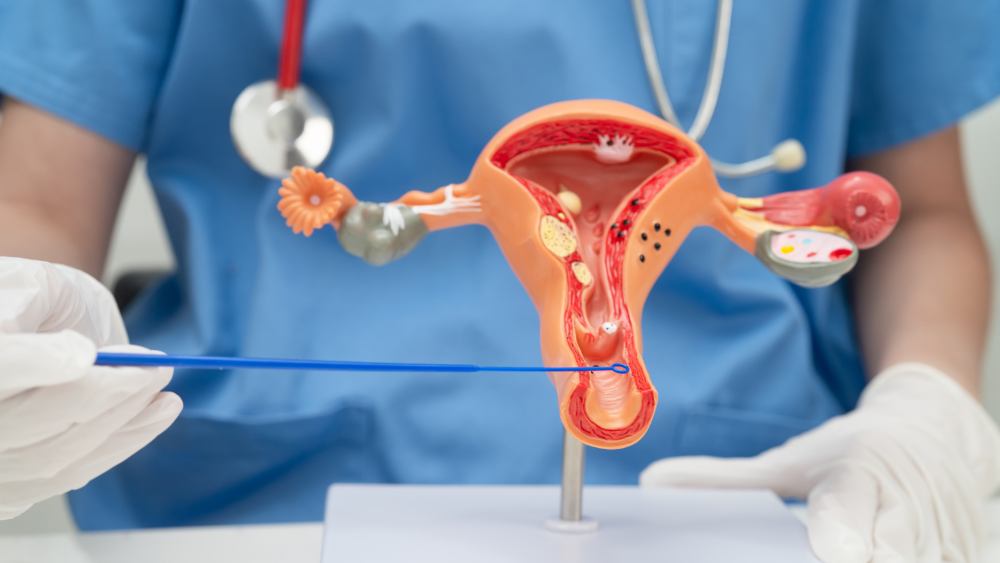
Symptoms of a vaginal infection vary with the cause, such as yeast, bacteria, an STI, irritation, or hormonal changes. Common symptoms of infection include:
● Persistent itching or irritation with a vaginal yeast infection
● A burning sensation, particularly when urinating
● Altered Vaginal discharge or an observable change in colour or scent
● Vaginal redness, swelling, discharge, or an observable change in colour or scent.
● Pain or discomfort during sexual intercourse
● Vaginal dryness or soreness
● Spotting or light bleeding
A thick, white cottage cheese-like discharge and severe itching are typical of a yeast infection. Bacterial vaginosis often produces thin, grey discharge with a distinctive fishy odour. STIs like trichomoniasis may cause a yellow or green discharge, irritation, or pain.
What Causes a Vaginal Infection?
Vaginal infections have differentcauses, including yeast, bacteria, or an STI, along with hormonal changes and irritation from products.
Yeast:Yeast is usually present in the body in small numbers. Certain factors, such as antibiotic use, pregnancy, diabetes, or a weakened immune system, may contribute to an overgrowth.
Bacteria:Bacterial vaginosis develops when the vaginal bacteria become unbalanced. Bacterial vaginosis is not sexually transmitted, but it can be associated with sexual activity and other risk factors.
Sexually Transmitted Infections (STIs): STIs such as trichomoniasis, chlamydia, and gonorrhoea may cause vaginal or genital symptoms. New or multiple sexual partners and unprotected sex increase the risk of an STI.
Hormones: Pregnancy, breastfeeding, and menopause bring changes that may alter the vagina’s environment. Fluctuating oestrogen levels during menopause can cause dryness, burning, and irritation.
Irritation:Douching, perfumed products, and deodorants can irritate the vagina. Tight clothing and dampness encourage the growth of microorganisms.
For someone searching online for a Siliguri best gyno doctor, look beyond a search result. Choose a qualified professional who listens, explains possible causes, and recommends testing when needed.
How is a Vaginal Infection Diagnosed?
A discussion with a professional about current symptoms and potential risk factors begins the diagnostic process.
The provider may ask when symptoms began, whether they recur, and what the discharge looks like or smells like. They may examine the vulva and collect a sample of discharge for testing. Microscopic analysis or other tests can identify the cause, such as a yeast infection, bacterial vaginosis, or an STI.
For women seeking gyno doctors in Siliguri, keep in mind that a healthy vagina does not have a strong odour. The scent of a healthy vagina does not have a strong odour. The scent of a healthy vagina can vary, but it should not smell particularly fishy or odorous. Again, too much cleansing can irritate the vagina and alter the pH.
It is a common misconception that any genital discomfort is caused by a yeast infection simply because a person has had one before. A yeast infection will not cure bacterial vaginosis or an STI. Using an antifungal cream or pill for the incorrect diagnosis will not resolve symptoms.
Prevention Tips for Vaginal Infections
Some measures protect the vagina’s natural environment and reduce the likelihood of infection.
Washing the Vulva with water and drying it thoroughly is usually sufficient. Avoid harsh soaps, perfumes, sprays, or douches since they can irritate the vaginal area.
Use a cotton crotch and breathable clothing to allow the genital area to stay dry. Also, avoid wearing damp workout gear or swimsuits for extended periods. To reduce the risk of an STI, practice safer sex and use condoms correctly.
Cleanse menstrual products according to the manufacturer’s instructions. Take antibiotics only when prescribed, and ensure a complete course is taken as directed. If recurrent yeast infections are related to antibiotic use, speak with a clinician about possible preventive measures rather than self-medicating.
Lastly, do not attempt to treat an unfamiliar vaginal infection with a home remedy or over-the-counter medication. Following good hygiene and other preventive measures usually safeguards the vaginal environment while reducing the risk of infection.
When Should I See a Doctor?

If symptoms persist, worsen, or recur, consult a professional for an evaluation. Individuals should seek care for a vaginal infection if they have unexplained vaginal discomfort, altered discharge, or pain in the genital area or pelvis.
Additionally, seek care if there is a fever, chills, or bleeding with a vaginal infection.
During pregnancy, consult a professional if there is any genital discomfort or unusual discharge. It is important to report any new symptoms to a professional rather than attempting to treat suspected infections with medications.
If a vaginal infection is diagnosed, completing the recommended treatment course is vital. Stopping treatment early may cause the Infection to persist or return. If symptoms appear after treatment, return for further evaluation rather than repeating the same medication.
Seeking care early becomes particularly important if vaginal symptoms persist or recur since the cause may need to be determined to ensure an effective treatment plan.
Final Thoughts
Vaginal infections can be uncomfortable and frustrating, but understanding the cause can make treatment easier.
If you notice symptoms of a vaginal infection, recognising signs such as persistent itching, unusual discharge, or discomfort, and avoiding personal care products, sexual activity, and other irritants can help support recovery.
Additionally, obtaining an accurate diagnosis from a professional is critical, as different infections require different treatments.
If specific guidance is needed, seeing Dr. Prasenjit Kr Roy and selecting the best gynecologist in Siliguri can help determine the cause of the vaginal infection and provide appropriate treatment options without unnecessary delays.
FAQs
1. Is vaginal discharge normal?
It is normal for discharge to vary throughout the menstrual cycle. It is typically clear or white and does not have a strong scent. Discharge that has changed in colour or scent and is accompanied by other symptoms may indicate an infection.
2. Can poor vaginal hygiene cause a vaginal infection?
Genital hygiene has little effect on the likelihood of a vaginal infection. Frequent washing or douching may irritate the vagina and alter the pH.
3. Can a yeast infection and bacterial vaginosis have similar symptoms?
Yeast infections and bacterial vaginosis often have different symptoms, but both can cause irritation and changes in discharge. These two infections have different risk factors and require different treatments, so a professional must examine symptoms to make an accurate diagnosis.
4. Should I take an over-the-counter medication for a vaginal infection?
If symptoms are new, unusual, severe, or different from a previous confirmed yeast infection, seek professional advice first. Using the wrong medicine may not help and can delay the correct diagnosis.
5. Can vaginal infections come back?
Yes, some infections can recur, particularly when underlying triggers remain. Repeated episodes deserve evaluation because the cause may differ, and some people may need a specific prevention plan.


