



Several reasons can affect male fertility, and mumps is one of them. This is a viral infection that is contagious in nature, leading to symptoms like swelling of the jaw, loss of appetite, and affecting male fertility. Mumps typically affects children and teenagers, but certain adults with weaker immunity may also contract the disease. However, infertility in males caused by mumps occurs in severe and rare cases. It is not always mumps infections that cause male infertility.
If you doubt whether mumps causes infertility in males, you may find this blog helpful. The mumps virus is usually present in the saliva of the infected person, and when they sneeze or cough, the virus is spread in the air through the droplets. However, it can affect fertility in males and create complications that require timely medical supervision.
How does mumps affect male infertility?
The mumps virus is contagious and creates various health complications, especially in people who have not been vaccinated yet. It can create complications with male fertility. Some of the possible complications can include:
Orchitis
One of the most serious complications caused by the mumps virus is mumps orchitis. This condition results in inflammation of one or both testicles after the male has crossed puberty. It is a post-pubertal condition among males that causes severe pain and swelling in the testicles, affecting fertility.
Testicular Atrophy
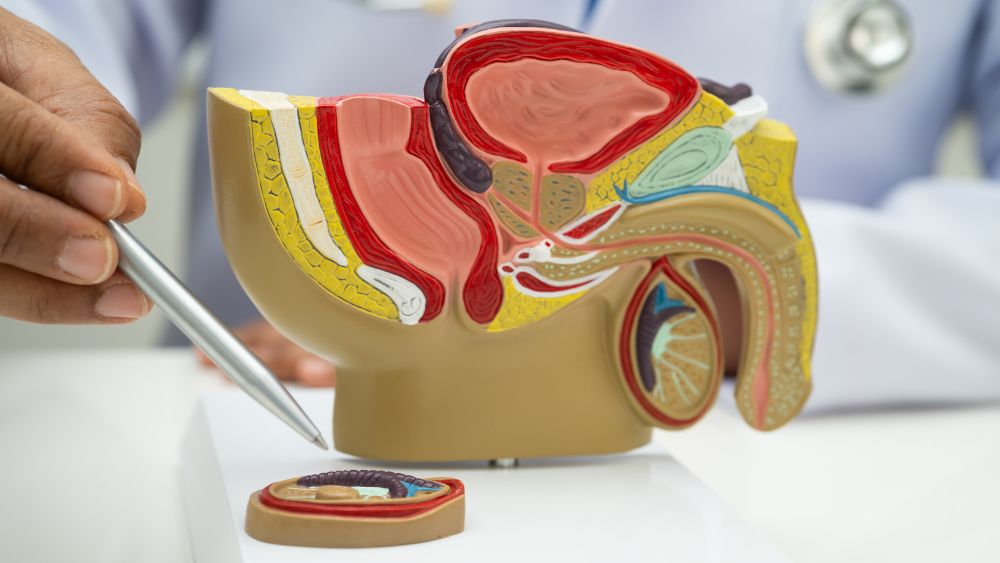
In some cases, when males are infected with mumps experiences testicular atrophy or testicular shrinkage. This condition happens when the inflammation caused by mumps is reduced, and the testicles also decrease in size. This may further lead to lower sperm count and interfere with testosterone production, the male hormone which is primarily responsible for male reproductive health.
Reduced Sperm Production
In male fertility, sperm production plays a major role. Testicles produce sperm required for achieving a successful pregnancy. Inflammation of thetesticles can disrupt this process of sperm production. Even after recovery from mumps infection, sperm production might remain low for a long time, leading to challenges in conception and eventually infertility.
Affecting the Hormonal Balance
If you have contracted the mumps virus, it is important to know that it can also affect the hormonal balance, impacting male fertility. It can interrupt the Leydig cells, which are essential for the production of testosterone in males. Without sufficient testosterone levels, it can lead to issues like low libido or reduced sex drive, fatigue, and difficulty with erectile dysfunction. These conditions result in infertility and challenges in conception. However, not every male experiences a hormonal imbalance, but those who do need medical intervention.
Increased Risk of Infertility
Mumps infection in males does not necessarily cause infertility in every infected male. The risk remains higher in adolescent and young boys, especially post-puberty. In many cases, testicles recover from the inflammation and sperm count is restored to normal. But in worsening cases where both testicles are severely affected, permanent infertility may occur, followed by extensive tissue damage.
Doctor’s Insight
According to renowned fertility specialist Dr Prasenjit Kumar Roy, though it is uncommon, mumps can cause infertility among males, often causing mumps orchitis, an inflammation of the testicles.
Can Mumps Lead to Permanent Infertility?
As per Dr. Prasenjit Kumar Roy, an expert fertility specialist in Siliguri, mumps can lead to permanent infertility, especially in post-pubertal males. They can develop mumps orchitis or testicular inflammation affecting the testosterone production, the crucial hormone responsible for male fertility. However, the doctor also says that 20 to 30 per cent of males are infected with mumps, but sterility occurs in rare cases.
Usually, the mumps infection causes reduced sperm count and testicular atrophy or shrinking of testicles, which can be temporary. But if the mumps infection involves both sides of the testicles, causing bilateral orchitis may cause permanent infertility as tissues are severely damaged. The best part is that it can be prevented and managed with MMR vaccines to avoid complications.
How to Prevent Fertility Complications from Mumps
Particularly when you have contracted mumps infections after puberty, it may result in hormonal changes, inflammation of the testicles, leading to male infertility due to impaired sperm production required for achieving pregnancy. However, there are several options to prevent the condition, such as :
Vaccination
One of the best ways to prevent mumps infection is getting shots of the MMR (measles, mumps, rubella) vaccine. This is the most effective in preventing mumps-related complications such as orchitis. The MMR (measles, mumps, rubella) vaccine is recommended for children and unvaccinated adults to prevent mumps and its complications.
Manage the Signs Early
If mumps infection occurs, especially in post-pubertal males, managing the symptoms early is essential to prevent complications. You will be required to have prompt rest and a careful lifestyle to minimise the risk of developing mumps orchitis.
Thoughtful Care for Orchitis
If mumps infection results in mumps orchitis, treatment may involve managing symptoms through sufficient bed rest, reduced activities, applying ice packs to the scrotum, and taking over-the-counter anti-inflammatory medications to reduce pain and swelling as per the doctor’s consultation.
Lifestyle Modifications
Adopting a healthy lifestyle can significantly impact fertility health in males. This includes quitting smoking, reducing alcohol consumption, maintaining a healthy weight by incorporating regular exercise, and avoiding places with overheating. Additionally, following a healthy diet rich in vitamins, minerals, antioxidants, and healthy fats like nuts can significantly improve sperm quality and production, helping you minimise the risk of fertility challenges.
Also Read:-
Treatment options for Male Infertility due to Mumps Infection
Infertility is a challenging condition that can be caused by various reasons. Mumps is a viral infection that can also affect male fertility, with conditions like mumps orchitis, an inflammation of the male reproductive organs, and changes in testosterone levels. However, there are several treatment options to address male infertility due to conditions like mumps, such as:
Hormonal Therapy
If hormonal imbalances, changes in testosterone level are identified, specialised medications and therapy can help regulate and restore the normal level. For sufficient healthy sperm production and overall reproductive function, the balance of testosterone is crucial. With proper hormonal therapy, the fertility outcome can be significantly improved in men who are affected by mumps-related complications.
Surgical Intervention
When mumps leads to physical abnormalities such as inflammation of the testicles, mumps orchitis, a surgical procedure may be required to improve sperm quality and production, in rare cases. To restore your fertility, surgeons perform the surgery to support the function of the male reproductive system affected by mumps infections.
Assisted Reproductive Technologies (ART)

In treating male infertility, ARTs like IUI and IVF have been crucial treatment options. You can expect Intrauterine Insemination(IUI), which involves placing a concentrated and washed sperm directly into the uterus around the time of ovulation, increasing the chance of conception.
Also, you can be treated with In Vitro Fertilisation (IVF), where eggs are retrieved from the woman’s ovaries and fertilised with sperm in a laboratory setting, resulting in an embryo implanted in the uterus. For severe male infertility, Intracytoplasmic Sperm Injection ICSI) can be utilised, which involves a healthy single sperm being directly injected into an egg to facilitate fertilisation
FAQs
1) Can Mumps cause permanent infertility?
A: Yes, but it is rare. Not all men experience mumps orchitis, inflammation of the testicles, but even those who do retain fertility most times. This risk increases when the condition involves both testicles, causing bilateral orchitis.
2) What is Mumps Orchitis?
A: This is a condition where the male reproductive organ testicles, are inflamed due to the mumps virus, occurring 4 to 10 days after salivary gland swelling. It can lead to symptoms like severe pain, swelling, and redness in the testicles.
3) How can mumps be prevented?
A: Mumps is preventable with the MMR (measles, mumps, rubella) vaccine. Getting doses of this vaccination as per the doctor’s recommendation can be effective in preventing infection and subsequent orchitis or testicular inflammation.
Final Remarks,
Mumps is a preventable disease, and it’s complication, such as infertility in male can be avoided with proper vaccination and timely medical intervention. The MMR vaccine provides the best protection against the virus, preventing further complications. Although the majority of cases of mumps do not lead to infertility, the infection can lead to orchitis, which can create difficulty in conception. If you are unsure about the possibility of being affected by this infection and are concerned about fertility, you can consult a fertility specialist for diagnosis and treatment options.
Comments (0)